






Health Tourism
Bone Marrow Transplantation in Turkey

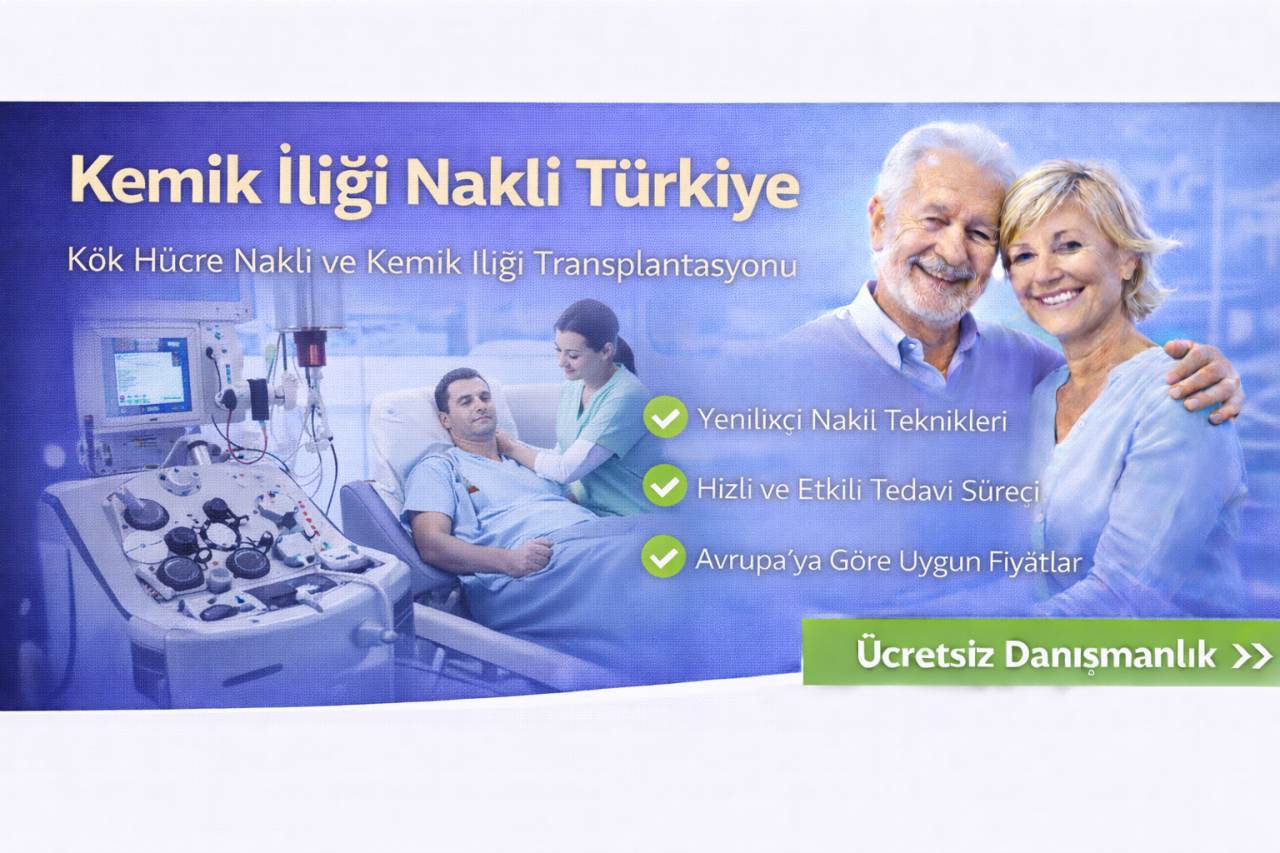
Start a new life with bone marrow transplantation in Turkey! Regain your health with autologous and allogeneic options, success rates, and affordable prices.
Welcome to a New Life with Bone Marrow Transplantation in Turkey: What Diseases Open the Door to Hope?
One of the greatest success stories of modern medicine, bone marrow transplantation has become a door of hope that changes the lives of thousands of patients in Turkey every year. Thanks to the advanced healthcare infrastructure and experienced specialist staff in our country, many diseases that were previously considered untreatable can now be successfully treated.
In this comprehensive guide, we will examine in detail the diseases for which bone marrow transplantation is applied, how the processes work, and the success rates in Turkey.
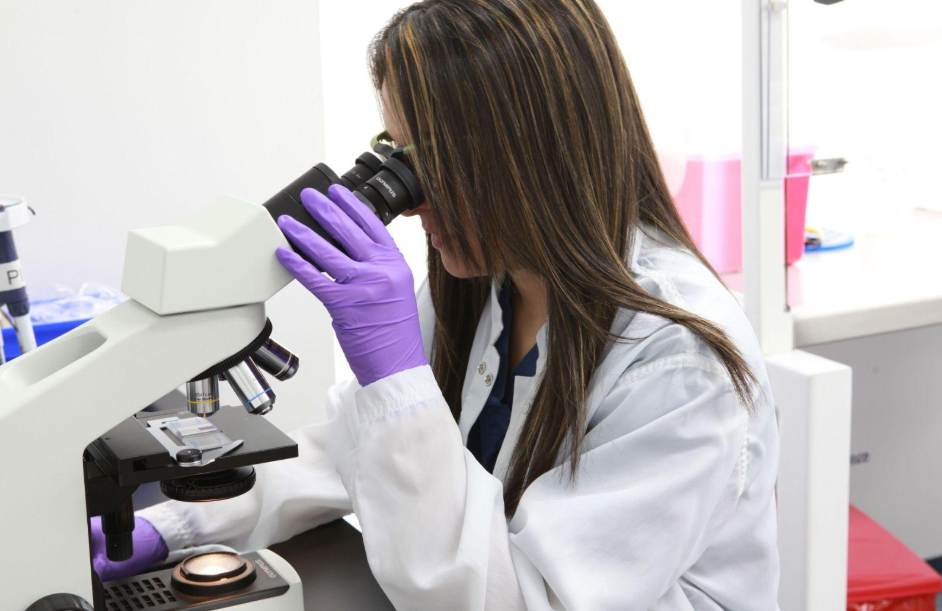
Bone Marrow Transplant in Turkey
Diseases Targeted by Bone Marrow Transplant: A Comprehensive Review
Bone marrow transplant is a life-saving treatment method applied when the bone marrow tissue, where blood cells are produced, becomes diseased. In Turkey, this treatment has been yielding successful results across a very wide range of diseases.
The main groups of diseases for which bone marrow transplantation is successfully applied are as follows:
- Blood Cancers: Leukemia (acute and chronic types), lymphoma, cancers originating from blood such as myeloma
- Bone Marrow Failures: Aplastic anemia, myelodysplastic syndrome, bone marrow fibrosis
- Genetic Diseases: Sickle cell anemia, thalassemia, immune deficiency syndromes
- Metabolic Diseases: Lysosomal storage diseases such as Hurler syndrome, Krabbe disease
- Solid Tumors: Certain types of solid tumors such as neuroblastoma, Ewing sarcoma
In Turkey,
Bone marrow transplant centers have world-class success rates in the treatment of these diseases.
. Especially in pediatric patients, success rates reaching 85-90% showcase our country’s expertise in this field.
Autologous and Allogeneic Transplant: Which Method is Preferred When?
There are two main methods in bone marrow transplantation, each with its own unique advantages and applications. Experts in Turkey plan the treatment process by selecting the most suitable method according to the patient’s condition.
Autologous transplant is the method that uses the patient’s own bone marrow cells.
In this approach, the patient first receives intensive chemotherapy and/or radiotherapy, and then their previously stored stem cells are returned to their body. The absence of graft versus host disease risk is the biggest advantage of this method. It is particularly preferred in Turkey for myeloma, lymphoma, and some types of solid tumors.
Allogeneic transplantation is the method that uses bone marrow cells obtained from a compatible donor. This approach is particularly effective in cancer treatments such as leukemia.
Bone marrow transplant centers in Turkey use state-of-the-art devices in HLA compatibility testing to identify the most suitable donors. While family donors are the first choice, the rate of finding unrelated donors through the Turkish Bone Marrow Bank is also increasing every day.
The Bone Marrow Transplant Process in Turkey: A Detailed Journey
The bone marrow transplant process is a meticulously planned multi-step treatment protocol. Experienced medical teams in Turkey strive to achieve the best results by providing a personalized approach for each patient.
The first stage of the process begins with a comprehensive evaluation.
The patient’s overall health status, organ functions, and the stage of the disease are examined in detail. At this stage, heart, lung, liver, and kidney functions are meticulously evaluated. Psychosocial assessment is also an integral part of the process because the patient and their family need a strong support system during the post-transplant period.
The second stage, known as preparatory regimen, is the intensive chemotherapy and/or radiotherapy process applied before the transplant. The aim of this stage is to destroy diseased cells and make room for new bone marrow cells.
The centers in Turkey implement personalized preparation regimens according to each patient’s condition.
The day of the transplant is the most critical moment of the process, but it is quite a simple procedure for the patient. Bone marrow cells are administered through the bloodstream, just like a blood transfusion. This procedure usually takes 1-4 hours, and the patient remains fully awake.
The recovery process after the transplant is the period during which the patient develops a new immune system. The first 100 days are crucial, and patients are closely monitored during this time.
In the transplant centers in Turkey, multidisciplinary team approach provides infection control, nutritional support, and psychological support.
Bone marrow transplant prices in Turkey vary depending on the scope of the treatment and the patient’s condition. For these treatments covered by social security institutions, patients usually pay a minimal copayment. In terms of success rates, Turkey achieves results above the world average.
Especially in pediatric patients, survival rates reaching up to 90% are an indication of the level of expertise in our country.
Autologous and Allogeneic Transplant Options: From Your Own Body or a Compatible Donor? Discover the Best Path!
Autologous and Allogeneic Transplant Options
When the decision for a bone marrow transplant is made, one of the most important questions you face is which type of transplant is the most suitable for you. This critical decision is made as a result of a careful evaluation of many factors such as the type of your disease, your age, your overall health status, and the available treatment options.
Experienced hematology specialists in Turkey determine the most effective treatment strategy by considering each patient’s individual characteristics.
Autologous Transplant: Fight with Your Own Healing Power
Autologous bone marrow transplantation is based on the principle of using healthy stem cells obtained from your own body in treatment. In this approach, stem cells collected from your own bone marrow or bloodstream before intensive treatment are preserved under special laboratory conditions.
After intensive chemotherapy and radiotherapy aimed at destroying diseased cells, these previously stored healthy cells are returned to your body.
The biggest advantage of autologous transplantation is that there is no risk of immune system incompatibility. Since these are your own cells, your body does not recognize them as foreign substances and does not reject them. This significantly reduces the risk of complications after transplantation and accelerates the healing process. In transplantation centers in Turkey, especially in patients with myeloma, successful results are achieved at a rate of 80-85%.
It is also a preferred method in some types of lymphoma and solid tumors such as neuroblastoma.
However, there are some limitations to autologous transplantation. The most significant disadvantage is the possibility of diseased cells being present among the collected stem cells. This situation can increase the risk of disease recurrence. Additionally, autologous transplantation is not a suitable option in cases where the bone marrow is completely destroyed or in genetic diseases.
Allogeneic Transplantation: A Gift of Life from a Compatible Donor
Allogeneic bone marrow transplantation is a treatment method that uses healthy stem cells obtained from a compatible donor.
In this approach, the donor can be a family member such as a sibling, parent, or child, or it can be a compatible person found through the Turkish Bone Marrow Bank who is not a relative. HLA (Human Leukocyte Antigen) compatibility is the most critical factor determining the success of this type of transplant.
The greatest advantage of allogeneic transplantation is the provision of completely healthy and disease-free cells to the patient. This significantly reduces the risk of disease recurrence, especially in blood cancers like leukemia.
Additionally, the transplanted cells come with their own immune systems and create a strong defense mechanism against any diseased cells that may remain in the body. This phenomenon is referred to as the “graft versus disease” effect and is an important factor that increases the success of the treatment.
In Turkey, the success rates of allogeneic transplants vary depending on the type of donor. A success rate of 70-85% is achieved in HLA fully matched sibling donor transplants, while this rate ranges from 60-75% in transplants from unrelated donors.
In haploidentical (half-matched) transplants, success rates of 55-70% are achieved thanks to developing techniques.
Which Type of Transplant is Right for You? Personalized Treatment Approach
The choice of transplant type is a complex decision-making process shaped by the characteristics of your disease. In cases such as acute leukemia, chronic leukemia, and aplastic anemia, allogeneic transplant is generally preferred because the bone marrow needs to be completely replaced in these diseases. On the other hand, autologous transplant may be a more suitable option in myeloma, Hodgkin lymphoma, and some solid tumors.
Age factor also plays an important role in the decision-making process. While younger patients may better withstand complications from allogeneic transplants, autologous transplant may be a safer option for older patients. Transplant centers in Turkey successfully perform autologous transplants even in patients over 65-70 years old.
When making a decision regarding bone marrow transplantation, having detailed discussions with your experienced hematology specialist is critically important.
The expert teams working in transplant centers in Turkey evaluate the stage of your illness, your overall health status, your social support system, and your personal preferences to present you with the most suitable treatment plan. Every patient’s situation is unique and instead of a standardized approach, personalized treatment strategies yield life-saving results.
Your Bone Marrow Transplant Journey in Turkey: Step-by-Step Process and Your Powerful Recovery Story
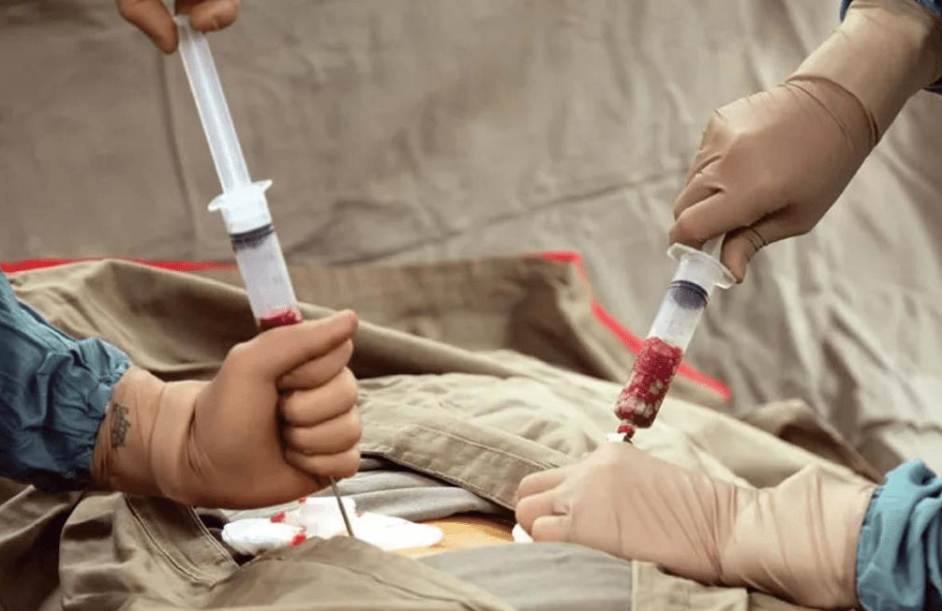
Bone Marrow Transplant in Turkey
The process that begins after the decision for a bone marrow transplant is made is not just a medical treatment, but also the start of a profound transformation in the lives of the patient and their family. Bone marrow transplant centers in Turkey are globally recognized for their experienced teams and modern infrastructure that guide patients through this critical journey.
This process, specially designed for each patient, requires careful planning and continuous monitoring from the initial application to complete recovery.
Pre-Transplant Preparation: Preparing Your Body for a New Life
The pre-transplant preparation period, which is one of the most critical stages of the bone marrow transplant process, involves a comprehensive process that prepares the patient’s body for an intensive treatment protocol. At this stage, multidisciplinary teams working in transplant centers in Turkey evaluate the patient’s physical and psychological condition in the finest detail.
A comprehensive health screening conducted by specialists in cardiology, nephrology, infectious diseases, and other branches is vital for ensuring the safe execution of the transplantation process.
During this preparation phase, patients undergo a combination of intensive chemotherapy and radiotherapy known as the conditioning regimen. The aim of this treatment is to completely eliminate diseased bone marrow cells and make room for the new healthy cells that will come in.
Transplant centers in Turkey implement personalized conditioning protocols based on the patient’s age, type of disease, and overall condition. While more intensive regimens are used for younger patients, reduced intensity regimens are preferred for older patients to minimize the risk of side effects.
The conditioning process typically lasts between 5-10 days, during which patients are closely monitored in specialized transplant units. Thanks to modern isolation rooms, HEPA-filtered air systems, and sterile environmental conditions, the risk of infection is minimized.
Patients receive nutritional support, pain management, and psychological support services during this process. In Turkey’s leading transplant centers, supportive treatment methods such as music therapy and art therapy are also offered to keep patients’ spirits high during this challenging time.
Post-Transplant Recovery: Strengthening Your New Immune System
The recovery process that begins after a bone marrow transplant represents the patient’s adaptation to their new life. The first 100 days are considered a critical period for the success of the transplant.
During this process, transplant centers in Turkey closely monitor patients’ blood values, signs of infection, and overall condition by conducting regular check-ups every day.
In the first weeks after the transplant, the new bone marrow cells experience a retention and proliferation process in the body. During this period, patients are extremely sensitive to infections as their immune system has not yet fully developed. Experienced transplant teams in Turkey use prophylactic antibiotics, antivirals, and antifungals to minimize the risk of infection.
Additionally, the recovery process is accelerated with regular blood transfusions and growth factor support.
Starting from the second month of the recovery process, the immune system gradually begins to strengthen. During this period, patients can start to return to their social lives in a controlled manner. In the transplant centers in Turkey, thanks to the rehabilitation support that patients receive during this process, their physical strength and quality of life significantly improve.
Physiotherapy, nutrition counseling, and psychological support services are integral parts of the patient’s overall recovery process.
Long-Term Follow-Up and Quality of Life: The Guarantee of Your Healthy Future
The long-term follow-up process after bone marrow transplantation is crucial for the patient to maintain a healthy life. Transplant centers in Turkey conduct regular check-ups for patients for 5-10 years post-transplant, early detecting late complications and providing necessary interventions in a timely manner.
This follow-up process is critical not only in terms of the recurrence of the disease but also regarding the potential development of secondary cancers and organ damage after transplantation.
The results in Turkey regarding post-transplant quality of life are quite successful. 80-90% of patients are able to return to normal daily activities. In pediatric patients, growth and development processes are closely monitored, and hormonal support therapies are applied when necessary. In adult patients, fertility preservation, cardiac functions, and neurological evaluations are regularly conducted.
Thanks to the comprehensive rehabilitation programs offered by transplant centers in Turkey, patients regain their physical strength and integrate into their social lives during the post-transplant period. Patient support groups, family education programs, and psychosocial support services help patients and their families navigate this challenging process more easily.
Most patients can return to work, engage in sports, and continue their normal social activities within 2-5 years after the transplant.
Bone Marrow Transplantation in Turkey: Plan Your Future with High Success Rates and Affordable Price Advantages
Turkey’s extraordinary development in the field of bone marrow transplantation not only involves medical successes but also offers significant advantages in terms of economic accessibility for patients and their families.
Our country’s competence in this field draws global attention by achieving success rates at international standards while keeping costs at reasonable levels. Thanks to our transplant centers equipped with modern technology, our experienced specialist staff, and our comprehensive social security system, bone marrow transplantation has now become a much more accessible treatment option.
Turkey’s International Position in Bone Marrow Transplantation and Competitive Cost Structure
Bone marrow transplant prices in Turkey are found to be 40-60% more affordable compared to their counterparts in Europe and America.
This cost advantage is achieved without compromising on quality and makes our country an attractive destination for medical tourism. While a large portion of the transportation costs is covered for patients under the Social Security Institution, private insurance holders can also receive significant support.
The cost-effective working model of transplant centers in our country is based on the following factors:
- High patient volume: More than 3000 transplants are performed annually, reducing unit costs
- Domestic drug production: Many drugs used in the transplant process are supplied by domestic production
- Effective resource management: Operational costs are minimized by optimizing hospital infrastructures
- Government support: Transplant treatments are supported by health policies
- Technology transfer: Developed?? countries are reducing R&D costs through technology transfer
Thanks to these cost advantages, even middle-income families can access bone marrow transplant treatment.
. Thanks to special support programs implemented especially for pediatric patients and the contributions of non-governmental organizations, no patient is deprived of treatment for economic reasons.
Success Rates Exceeding World Standards: Turkey’s Medical Excellence Story
Bone marrow transplant centers in Turkey rank among the best in the world in terms of success rates. 88-92% in pediatric allogeneic transplants, 85-90% in adult autologous transplants, and 75-85% in adult allogeneic transplants are achieved. These figures are competitive with the results of prestigious centers in America and Europe.
The key factors behind our high success rates are as follows: Firstly, the most up-to-date treatment protocols are applied thanks to the international experience of our transplant teams and continuous training programs. Secondly, the meticulous application of patient selection criteria and comprehensive evaluation processes before transplantation minimize the risk of complications. Thirdly, the effectiveness of post-transplant monitoring and support services increases long-term success rates.
In particular, the results obtained in pediatric patients are gaining recognition worldwide.
Thanks to the expanding donor pool of the Turkish Bone Marrow Bank, the rates of finding compatible donors are increasing every year. Our success rates in unrelated donor transplants, which are at the level of 65-75%, are above the average of developed countries.
Future Investment Plans and Patient Satisfaction Levels
Turkey’s future goals in the field of bone marrow transplantation are quite ambitious. It is planned to increase the annual transplant capacity to 5000 by 2025 and to widely implement gene therapy applications for genetic diseases.
Investments made in line with these goals will ensure that patients and their families receive even higher quality services in the future.
In patient satisfaction surveys, transplant centers in Turkey receive satisfaction scores of 92-95%. This high satisfaction rate stems not only from medical success but also from the quality of hospital services, staff approach, and social support services. Additional advantages such as multilingual staff support, accommodation for patient relatives, and psychological support services make the treatment process more comfortable for patients.
Patients who choose Turkey for bone marrow transplantation benefit from both economic advantages and world-class medical services. The continuous development of the transplant centers in our country and their adoption of innovative approaches make it possible to achieve even more successful results in the future.


