







Health Tourism
Appendicitis Symptoms and Treatment Process

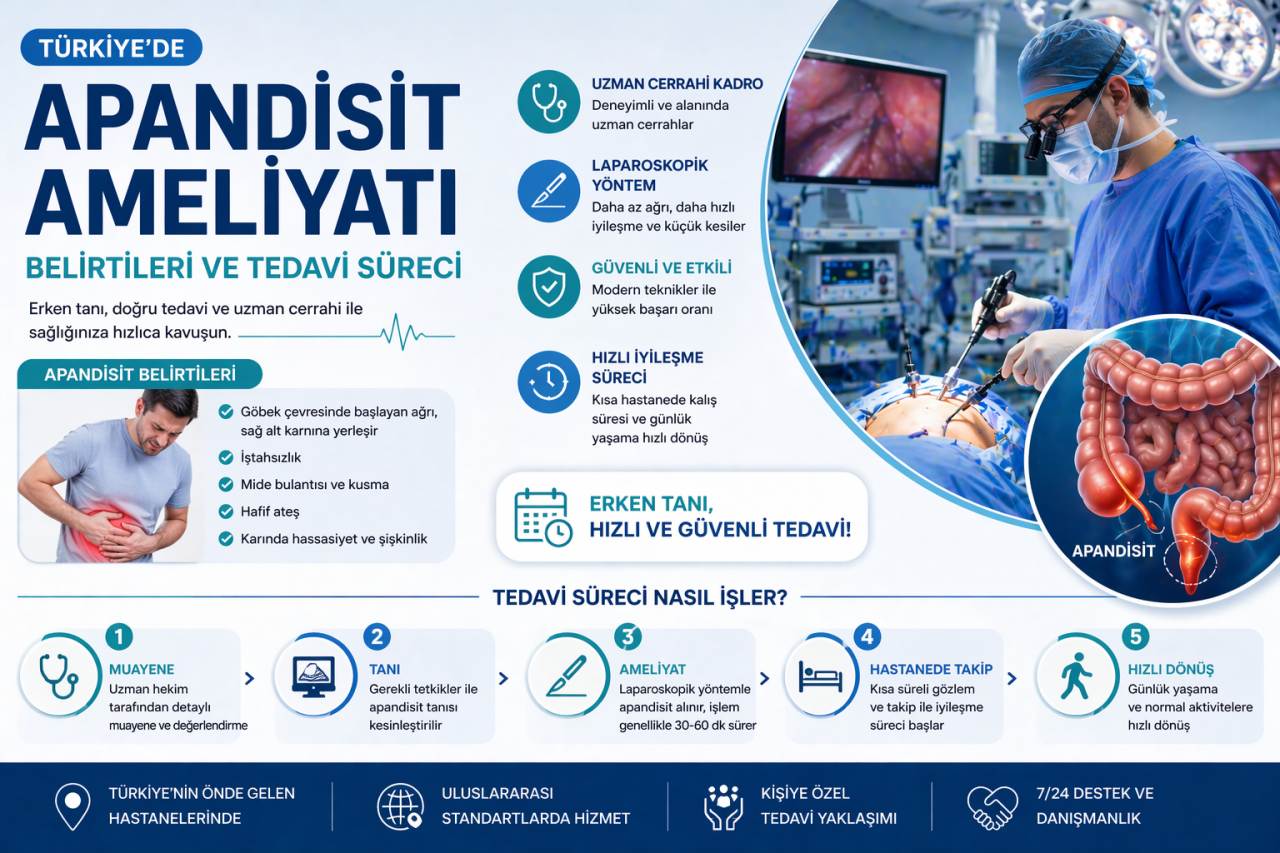
Appendicitis symptoms, surgical process, and advantages of laparoscopic treatment. A guide to quick recovery with modern surgical techniques is here!
Protect Your Health by Recognizing Appendicitis Symptoms Early: Quick Recovery with Timely Intervention
Appendicitis is a significant health issue that can affect people of all ages and requires emergency intervention. Early diagnosis and timely intervention are crucial for preventing complications and ensuring quick recovery. Thanks to the advanced treatment methods offered by modern medicine, appendectomy surgeries can now be performed much more safely and effectively.
Reading the signals your body gives you correctly and noticing the symptoms of appendicitis in a timely manner is one of the most important steps you can take to protect your health. In this article, we will cover everything you need to know in detail, from the early signs of appendicitis to modern surgical techniques, from the recovery process after surgery to the advantages of laparoscopic surgery.
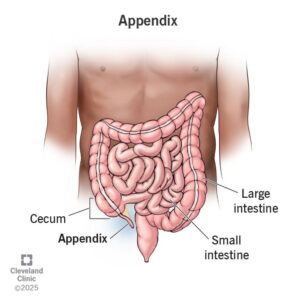
Appendicitis Surgery Symptoms and Treatment Process
Recognizing Appendicitis Symptoms in Time: Important Signals Your Body is Sending You
Early detection of appendicitis symptoms is the first and most critical step in a successful treatment process. Abdominal pain usually starts around the navel and gradually moves to the lower right abdomen.
This pain worsens with coughing, sneezing, or sudden movements and can seriously affect the patient’s daily activities.
In addition to pain, other symptoms that may arise include fever, nausea, vomiting, loss of appetite, and a general feeling of weakness. In some patients, digestive system issues such as constipation or diarrhea may also be observed. If these symptoms occur together, it is extremely important to seek medical attention without delay.
The severity and duration of appendicitis symptoms can vary from person to person, but typically there is a noticeable worsening within 24-48 hours.
Especially in elderly patients or pregnant women, symptoms may present in a more atypical manner, so in case of any doubt, it is essential to consult a specialist physician.
Modern Appendicitis Surgery Techniques: The Superior Advantages Offered by Laparoscopic Surgery
Today, appendicitis surgeries can be performed with much less invasive methods due to advancements in technology. Laparoscopic appendectomy is a modern approach that offers countless advantages for patients compared to traditional open surgery.
This technique is performed through small incisions made in the abdominal wall and significantly accelerates the patient’s recovery process.
The main advantages of laparoscopic appendectomy are as follows:
- Less pain: Thanks to small incisions, post-operative pain remains at a minimal level
- Quick recovery: Patients can usually be discharged within 1-2 days
- Cosmetic superiority: Small incisions leave less noticeable scars
- Low risk of infection: The minimally invasive approach reduces the risk of infection
- Early mobilization: Patients can move around earlier after surgery
- Faster return to work and social life: Normalthe recovery time for activities is shortened
Throughout the surgical process, a safe and effective intervention is performed using the latest technology by experienced surgical teams.
Thanks to the detailed evaluations conducted before the surgery, the most suitable surgical approach is determined for each patient.

Modern Appendectomy Techniques
Post-Operative Recovery Process: Your Guide to a Healthy and Quick Recovery
The recovery process after appendectomy varies depending on the patient’s age, overall health status, and the surgical technique used. In surgeries performed using the laparoscopic method, the recovery process is generally much faster and more comfortable.
it will pass
Patients can start fluid intake from the first hours after surgery and can gradually transition to a normal diet.
Important points to pay attention to during the recovery process include keeping the incision site clean and dry, regular use of medications recommended by the doctor, and avoiding activities such as heavy lifting. Regular check-ups are critically important for the early detection and intervention of potential complications.
In the post-operative period, patients can generally return to their normal daily activities within 2-3 weeks.
Returning to sports activities is possible 4-6 weeks later with the doctor’s approval. During this process, being patient and respecting the body’s natural healing process is extremely important for long-term health.
As a result, recognizing the symptoms of appendicitis early and benefiting from modern treatment methods is the best approach to maintain your quality of life and undergo a rapid recovery process. Your health is more valuable than anything else and you should not hesitate to consult a specialist doctor without wasting time in case of any doubt.
Modern Appendectomy Techniques: Complete Healing with Safe and Effective Surgical Methods
The rapidly advancing technology in the medical world has led to revolutionary changes in appendectomy surgeries.
The surgical options now offered to patients not only yield successful results but also provide maximum recovery with minimal trauma.
These developments mark the beginning of a new era in appendicitis treatment and offer patients a more comfortable treatment experience.
Robotic Surgery and AI-Assisted Appendectomy: The Future of Surgery
Robotic surgical systems represent a groundbreaking advancement in precision and accuracy in appendectomy surgeries. Da Vinci Robotic System and other advanced technologies minimize tissue damage through robotic arms that replicate the surgeon’s hand movements with micro-level precision.
It seems that the text you provided is incomplete. Please provide the full text you would like me to translate.
AI-assisted imaging systems guide surgeons in identifying critical anatomical structures during surgery, maximizing safety. These technologies are vital, especially in complex cases and situations with anatomical variations. The 3D image quality and up to 10x magnification offered by robotic systems allow surgeons to see even the finest details.
In modern robotic appendectomy surgeries, patients experience 40% less pain compared to traditional methods, and recovery times are halved.
Additionally, the vibration-free operation feature of robotic systems enhances surgical safety by keeping blood loss to a minimum.
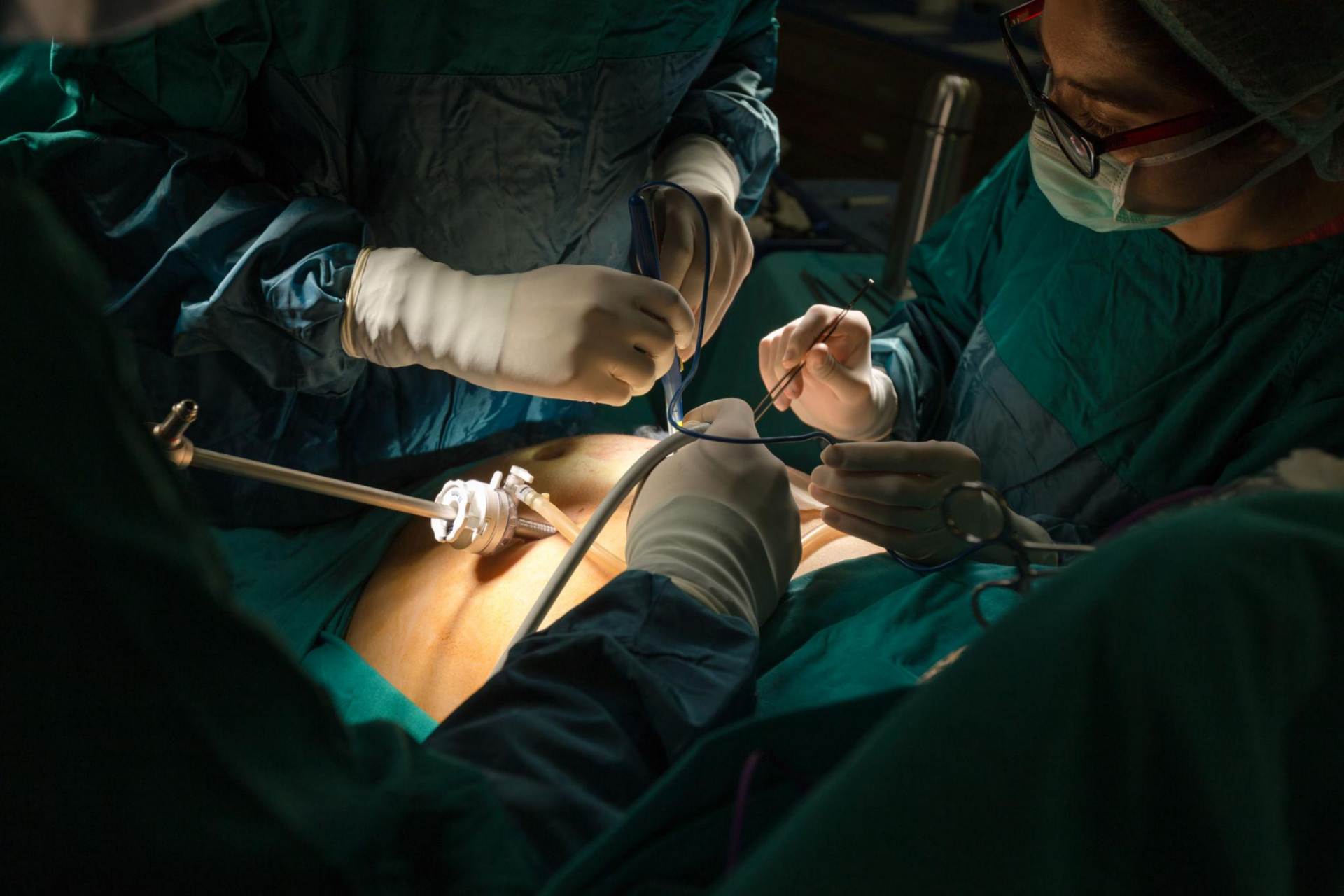
Robotic Surgery and AI-Assisted Appendectomy
SILS and NOTES: Advantages of Single Port and Natural Orifice Surgery
Single port laparoscopic surgery (SILS – Single Incision Laparoscopic Surgery) and natural orifice transluminal endoscopic surgery (NOTES – Natural Orifice Transluminal Endoscopic Surgery) techniques have revolutionized cosmetic outcomes in the field of appendectomy.
These innovative approaches offer patients the possibility of recovery with minimal or no visible scarring.
SILS technique allows the entire surgery to be performed through a single small incision made at the navel. This method is particularly preferred in young patients and individuals with cosmetic concerns. The NOTES method enables surgery to be performed by entering through the body’s natural openings (mouth, vagina) and leaves no external scars.
Thanks to these advanced techniques, patients:
- Experience recovery with zero or minimal visible scars
- Feel less post-operative pain and discomfort
- Can get up early with accelerated mobilization
- Can return home with a short hospital stay
- Undergo safe recovery with a low risk of infection
- Can maintain their social life with an early return to work
Smart Surgical Tools and Nano-Technology: Next Generation Approaches in Appendectomy
Nano
Technology-assisted surgical instruments and smart sensor-equipped devices are significant advancements that enhance precision in appendectomy surgeries. Harmonic scalpel and LigaSure energy-based systems perform tissue cutting and coagulation simultaneously, reducing the duration of the surgery and minimizing blood loss.
Fluorescence imaging technology enhances the safety of anastomosis by allowing real-time monitoring of blood circulation during surgery. This system is particularly critical in complicated appendicitis cases and in perforated situations. This imaging, performed using ICG (Indocyanine Green) dye, supports the surgeon’s decision-making process by vividly displaying blood flow in the tissue.
Artificial intelligence algorithms assist in determining the optimal surgical approach by analyzing preoperative imaging data.
Machine learning technology offers personalized surgical strategies for each patient by learning from thousands of successful surgery data. This approach significantly reduces the risk of complications while maximizing success rates.
Modern appendectomy techniques not only treat the disease but also prioritize the patient’s quality of life.
Thanks to the opportunities provided by technology, appendicitis has now become a health issue that causes minimal stress for patients and can be quickly overcome.
Advantages of Laparoscopic Appendectomy: Comfortable Treatment with Minimal Invasive Approach
Laparoscopic appendectomy stands out as one of the most significant success stories in modern medicine. This revolutionary surgical approach has become the gold standard in appendicitis treatment by providing patients with minimal trauma and maximum benefit.
Compared to traditional open surgical methods, laparoscopic techniques offer countless advantages, transforming the disease process into a much more comfortable experience.
This advanced surgical method is performed through 3-4 small incisions made in the abdominal wall and provides patients with significant comfort both physically and psychologically.
The high-resolution imaging system offered by modern laparoscopic equipment allows surgeons to view the surgical area enlarged by up to 10 times, maximizing precision.
Physical and Psychological Effects of the Laparoscopic Method on Patients
The positive effects of laparoscopic appendectomy on patients are evident not only on the operating table but throughout the entire treatment process. The level of postoperative pain decreases by 60-70% compared to the traditional method.
significantly increases the comfort level of cancer patients
This situation minimizes the use of pain relief medications, thereby reducing the risks of side effects.
The minimal tissue damage caused by small incisions allows the body’s natural healing mechanisms to work more effectively. Patients can get up within the first 6-8 hours after surgery and quickly transition to a normal diet. This rapid mobilization plays a critical role in preventing postoperative complications such as the risk of thrombosis.
From a psychological perspective, the laparoscopic method significantly reduces patients’ fear of surgery.
Small incisions and a rapid healing process contribute to patients feeling more secure and approaching the treatment process more positively. This positive mindset also positively affects the overall recovery process, increasing the success of the treatment.
Long-Term Benefits on Aesthetic Results and Quality of Life
One of the most remarkable advantages of laparoscopic appendectomy is achieving excellent cosmetic results. While traditional methods leave scars 5-10 centimeters long, the small scars created by the laparoscopic technique become almost invisible over time.
This situation is particularly important for young patients and individuals with an active lifestyle.
Early mobilization after surgery allows patients to return to their daily activities much more quickly. While most patients can return to work within 3-5 days after surgery, the time to resume sports activities is also significantly shortened. This rapid recovery process contributes to minimizing social and economic losses.
Among the long-term benefits of the laparoscopic method is a low risk of bowel obstruction.
Thanks to minimal tissue manipulation, the formation of adhesions after surgery is significantly reduced, and patients are protected from the risks of complications they may experience in the future. This situation is critically important in maintaining the quality of life after the disease.
As a result, laparoscopic appendectomy is currently considered the gold standard and offers patients the most comfortable treatment experience.
This advanced surgical approach has not only treated the disease but has also preserved the quality of life of patients to the maximum level, marking it as one of the most significant achievements of modern medicine in history.
Post-Surgery Quick Recovery Guide: A Strong Return to Daily Life with Proper Care
The period following appendectomy is critical for the patient to regain full health and return to daily life robustly. The advantages provided by modern general surgery techniques, when properly applied after surgery
when combined with care protocols, excellent results can be achieved for patients.
This process significantly increases the speed of recovery and minimizes the risks of complications through the patient’s active participation and conscious approach. Evidence-based recovery strategies recommended by specialist physicians are personalized according to each patient’s individual needs, ensuring optimal results.
Nutrition Strategies and Food Programs that Increase Body Resistance
The post-operative nutrition regimen is one of the cornerstones of the recovery process. Focusing on liquid nutrition within the first 24-48 hours allows the digestive system to gradually return to normal.
During this period, consuming clear soups, herbal teas, and plenty of water helps maintain the body’s hydration while reducing the risk of infection. Foods such as yogurt and kefir containing probiotics play an important role in balancing the gut flora and minimizing the side effects of antibiotic use.
Increasing protein intake is essential for tissue repair and wound healing. Lean meats, fish, eggs, and legumes should be at the center of the daily nutrition program.
Fruits and vegetables rich in vitamin C contribute to faster healing of the incision site by supporting collagen synthesis. Foods such as citrus fruits, red peppers, broccoli, and strawberries are particularly valuable in this regard.
Omega-3 fatty acid-rich salmon, walnuts, and flaxseeds accelerate the healing process with their anti-inflammatory effects while also reducing pain.
Physical Activity Planning and Safe Exercise Protocols
A gradual return to physical activity after surgery is vital for maintaining both physical and mental health. Light walks to be done within the first week increase blood circulation, reducing the risk of thrombosis, while supporting the normalization of lung functions.
These activities should initially be short, lasting 5-10 minutes, and done 2-3 times a day, gradually increasing as long as the patient does not feel fatigued. Breathing exercises are critical for maintaining lung capacity and preventing postoperative complications.
In the second and third weeks, low-intensity aerobic activities can be safely initiated. Activities such as using a stationary bike, walking in shallow water instead of a swimming pool, and yoga do not create tension at the incision site while increasing body resistance.
Movements that strain the abdomen, heavy lifting, and sudden twisting movements should be avoided for at least 4-6 weeks. Pilates exercises are among the ideal options, especially for gradually increasing core muscle strength.
Individual exercise programs prepared under the guidance of expert physiotherapists are planned according to each patient’s recovery speed, providing maximum benefit.
Psychological Support and Stress Management Techniques
Maintaining mental health during the postoperative period is as important as physical recovery and directly affects overall treatment success. Positive thinking techniques and mindfulness practices play a critical role in helping the patient overcome surgical trauma and make a strong return to daily life.
Meditation, deep breathing exercises, and progressive muscle relaxation techniques accelerate the healing process by reducing stress hormone levels. Music therapy and art therapy activities positively affect patients’ moods, increasing their active participation in the treatment process.
The involvement of social support systems is essential for maintaining the patient’s motivation. Family and friend support ensures that the patient feels safe and plays a significant role in preventing feelings of loneliness.
Temporary mood changes that may occur after surgery are normal and usually resolve on their own within 2-3 weeks. However, if long-term depression symptoms are observed, professional psychological support is necessary. Online support groups and patient experience sharing platforms provide the opportunity to communicate with others going through similar processes, helping to prevent the patient from feeling alone. A regular sleep schedule and quality rest are essential requirements for both physical and psychological recovery and are critical for improving the quality of daily life.


