





Health Tourism
Radiotherapy Treatment in Turkey

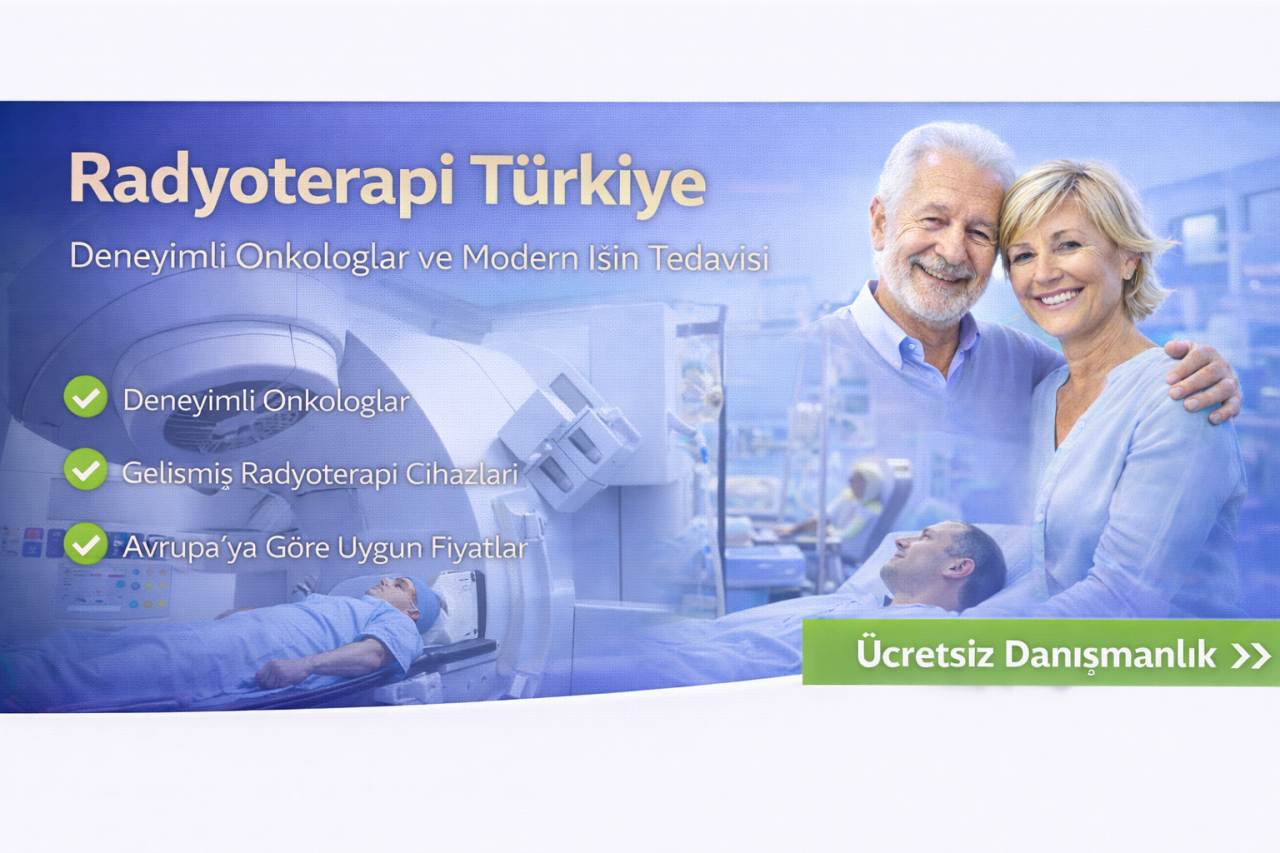
In Turkey, modern radiotherapy technologies, expert teams, and affordable prices offer cancer treatment. Details about 2026 prices, side effects, and recovery processes.
Radiotherapy Technology in Turkey: Modern Treatment Methods and Expert Teams
Cancer treatment is experiencing revolutionary developments, while in Turkey’s radiotherapy field, state-of-the-art devices and expert staff provide hope to patients. Radiotherapy, one of the most important treatment methods in modern medicine, has become much more precise, safe, and effective today.
Oncology centers operating in our country focus on providing world-class services to enhance the quality of life for patients.
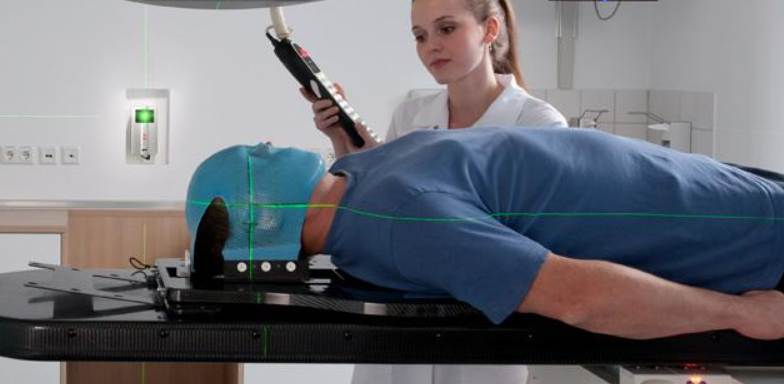
Radiotherapy Technology in Turkey
Next Generation Radiotherapy Technologies: Precision and Safety Together
Healthcare institutions in Turkey are making significant investments in radiotherapy technology to offer their patients the most advanced treatment options. This technological transformation is both increasing treatment success rates and minimizing side effects.
The modern radiotherapy technologies used in Turkey are as follows:
- IMRT (Intensity-Modulated Radiation Therapy): An advanced technique that delivers high doses of radiation to tumor tissue while protecting healthy tissues
- IGRT (Image-Guided Radiation Therapy): A system that provides millimeter precision with real-time imaging
- Stereotactic Radiotherapy: An exact treatment method that can deliver high doses of radiation to small tumors
- Proton Therapy: A technology preferred especially in pediatric patients, which minimally affects healthy tissues
- Brachytherapy: A method that uses radioactive sources to…
- Internal radiotherapy method that places a tumor inside
Expert Teams and Multidisciplinary Approach: The Heart of Treatment
In addition to technology, the success of radiotherapy treatment largely depends on experienced specialist teams.
Oncology centers in Turkey have a significant advantage in this regard, and they continue to enhance the competencies of their staff through continuous education and development programs.
Multidisciplinary teams consisting of radiation oncology specialists, medical physicists, radiation therapy technicians, and oncology nurses strive to achieve the best results by preparing personalized treatment plans for each patient.
This approach offers a holistic care understanding by considering not only medical treatment but also the psychological and social needs of the patient.
Cost Advantage and Accessibility: Turkey’s Competitive Edge
Radiotherapy treatment in Turkey offers significant advantages in terms of cost-effectiveness for both domestic and foreign patients. The quality services provided at much more affordable prices compared to developed countries make our country a preferred destination in terms of health tourism.
The side effects that patients may experience during the radiotherapy process are generally temporary and are minimized thanks to modern technologies. Common side effects such as skin redness, fatigue, and loss of appetite are closely monitored and managed by expert teams.
The recovery process varies between 2-8 weeks depending on the patient’s overall condition and treatment protocol, and during this period, efforts are made to maximize the patients’ quality of life.
Radiotherapy Treatment Process: Planning, Implementation, and Patient Safety Protocols
Cancer surgery plays a critical role in radiotherapy, achieving true success only when applied with not only advanced technologies but also meticulously planned processes and strict safety protocols.
The radiotherapy treatment process applied in oncology centers in Turkey encompasses a comprehensive process that extends from the initial assessment of the patient to post-treatment follow-up, with a world-class approach.
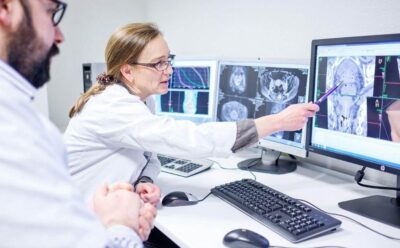
Radiotherapy Treatment Process
Detailed Planning Process Before Treatment: Necessary Steps for Millimeter Precision
The success of radiotherapy treatment is directly related to how meticulously the pre-treatment planning phase is conducted.
In radiation oncology centers in Turkey, the process of preparing a personalized treatment plan for each patient takes an average of 7-10 days, during which multiple imaging techniques are used. In the initial phase, the patient’s detailed medical history is taken, and previous treatments, surgeries, and current health status are comprehensively evaluated.
In this critical phase, referred to as the simulation session, CT, MRI, and PET-CT imaging techniques are used simultaneously to map the exact location, size of the tumor, and its relationship with surrounding healthy organs in a three-dimensional manner.
In this process, the patient’s treatment position is stabilized using special immobilization devices, ensuring that the same position is maintained in each session. Medical physicists use this data to perform dosimetric calculations, creating a treatment plan that optimizes the radiation dose delivered to the tumor area while keeping the dose received by critical organs at a minimum level.
Daily Application Protocols: Perfect Compliance of Safety and Efficacy
During the implementation phase of radiotherapy sessions, patient safety protocols are meticulously followed at every step.
In modern radiotherapy centers in Turkey, position verification procedures are carried out using advanced imaging systems before daily treatment, and even millimeter deviations are detected and corrected. Before each treatment session, a multi-verification system is activated, and patient identity, treatment plan, and device parameters are checked by at least three different personnel.
During treatment, the patient is kept under continuous monitoring and the treatment can be stopped immediately in case of any discomfort.
The real-time imaging systems found in modern linear accelerators can automatically adjust radiation beams by tracking the movements of the tumor during treatment.
Thanks to these technological advancements, respiratory movements are compensated for position changes that may occur, and treatment precision is maintained at the maximum level.
Quality Assurance and Patient Safety: Protection Systems in International Standards
Radiotherapy centers in Turkey operate in accordance with international quality assurance protocols and implement multi-layered protection systems to ensure patient safety. In terms of radiation safety, treatment rooms are protected with special lead lining, and radiation leakage is regularly measured and monitored.
For personnel and patient safety, emergency protocols are meticulously planned, and all team members receive regular training on these matters.
To ensure continuous monitoring of treatment quality, devices undergo daily, weekly, and monthly calibration checks, and these processes are documented in accordance with international standards. To ensure the security of patient files, electronic record systems are used, and all treatment data is stored in an encrypted format.
The experiences of patients during the treatment process are regularly evaluated, and continuous improvement activities are carried out to maintain the highest level of patient satisfaction.
Advantages of Radiotherapy in Turkey: Quality, Cost, and Accessibility
In the field of radiotherapy, which holds a critically important place in cancer treatment, Turkey’s global position and the advantages it offers have reached remarkable dimensions for both domestic and international patients.
The strategic investments in our country’s healthcare sector and its focus on continuous development have achieved a standard of excellence in radiotherapy services, making it an important reference point in this field.
Our centers, equipped with the most advanced examples of modern medical technology, expert staff, and a patient-centered service approach, stand out as key factors in international competition.
Technological Infrastructure and Human Resources: The Foundations of Excellence
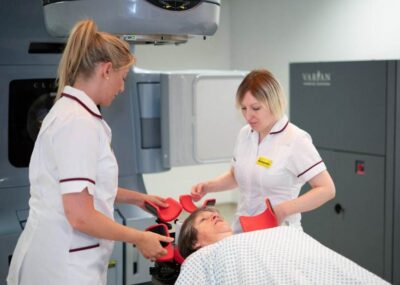
Advantages of Radiotherapy in Turkey
One of Turkey’s biggest advantages in the field of radiotherapy is its capacity to rapidly adopt technological innovations and its qualified workforce capable of using these technologies. The oncology centers operating in our country not only have technological equipment equivalent to the most prestigious institutions worldwide, but the training standards of the personnel using these devices are also at an international level.
Especially in the field of our specialized doctors in radiation oncology, their international experiences and participation in continuous education programs elevate the quality of treatment to the highest level.
The medical physics specialists at Turkish radiotherapy centers consist of professionals who have received world-class training and hold international certifications.
These specialists maximize treatment precision with their success in complex treatment planning processes and adopt patient safety as their top priority.
Radiotherapy technicians and oncology nurses also provide a communication and care quality that exemplifies a service understanding through their continuous training with patients.
Economic Advantage and Health Tourism: Access to Quality Treatment at Affordable Costs
One of Turkey’s most striking advantages in the field of radiotherapy is its ability to offer high-quality services at economically accessible prices.
According to projections for 2026, the cost of radiotherapy services offered in our country is on average 60-70% more affordable compared to European and North American countries. This cost advantage is evident not only in treatment fees but also in accommodation, transportation, and overall living costs.
Turkey’s position in terms of health tourism, combined with its geographical advantages and cultural richness, allows patients to undergo their treatment process more comfortably and with less stress.
Especially for patients coming from the Middle East, Balkan countries, and Europe, the minimal language barrier and cultural proximity positively influence the psychological aspect of the treatment process.
Turkish hospitality and a patient-centered service approach are among the decisive factors for international patients choosing our country.
Accessibility and Scope of Services: A Patient-Centered System
The accessibility advantage of radiotherapy services in Turkey is not limited to the economic aspect but is also reflected in the geographical spread of the service and the flexibility of appointment systems. Modern oncology centers located in the major cities of our country enable patients to access quality treatment without having to travel long distances from their regions.
This situation is critically important, especially for radiotherapy, which requires regular sessions.
Thanks to the digital infrastructure investments of the Turkish healthcare system, the processes for patients to make appointments, follow treatments, and access results have been greatly facilitated. Preliminary assessments that can be conducted through online systems, the sharing of test results in a digital environment, and tele-consultation opportunities provide significant convenience, especially for patients coming from abroad.
Additionally, the patient support lines that provide 24/7 uninterrupted service and multilingual support offer comprehensive solutions tailored to the needs of international patients.
The multidisciplinary approach adopted by radiation therapy centers in Turkey and their consideration of not only the medical needs of the patient but also their social and psychological requirements are among the important factors that enhance treatment success.
This holistic approach ensures that patients go through the treatment process more comfortably and accelerate their recovery processes.
Life After Radiotherapy: Side Effect Management and Rehabilitation Programs
The process that begins with the completion of radiotherapy treatment is critically important for patients to readapt to their lives and achieve optimal quality of life. Oncology centers in Turkey have developed comprehensive rehabilitation programs aimed at minimizing the challenges faced by patients in the post-radiotherapy period and supporting rapid recovery.
These programs aim to ensure the full participation of their patients in social life by supporting not only physical recovery but also the psychological adjustment process.
Thanks to the opportunities offered by modern medicine, the majority of side effects experienced after radiotherapy are temporary, and with the right management strategies, patients can return to their normal activities in a short time.
Personalized Side Effect Management: Customized Solution Strategies for Each Patient
The management of side effects that may arise during the post-radiotherapy period varies depending on factors such as the area being treated, the radiation dose used, and the individual tolerance level. Radiation oncology specialists in Turkey assess patients for potential side effects during the pre-treatment evaluation phase.
by defining its profile, it develops proactive management strategies.
For acute side effects such as erythema, dryness, and sensitivity observed on the skin, specially formulated moisturizing creams and protective products are recommended, while the availability of quality alternatives produced in our country reduces the economic burden on patients.
When evaluated in terms of systemic side effects, fatigue and loss of energy are among the most commonly reported complaints. The management of this condition is supported by personalized diet programs prepared in collaboration with nutrition specialists, helping patients optimize their energy levels.
The rich variety of Turkish cuisine and foods high in antioxidants have supportive effects on the healing process. Traditional fermented foods rich in probiotics play an important role in strengthening the immune system after radiotherapy.
Physical Rehabilitation and Functional Recovery: Return to Active Life
The physical rehabilitation process after radiotherapy is an indispensable component for patients to regain their motor functions and to independently carry out daily living activities.
Rehabilitation centers in Turkey design exercise programs specific to the anatomical area being treated, accompanied by physiotherapists specialized in oncological rehabilitation. Specific approaches are implemented, such as special tongue and jaw exercises for swallowing difficulties that may occur after head and neck radiotherapy, exercises to maintain shoulder mobility after breast cancer radiotherapy, and lower extremity strengthening programs following pelvic region radiotherapy.
Modern technologies used in the physical rehabilitation process accelerate patients’ recovery while also increasing their motivation. Robotic rehabilitation devices, electrotherapy applications, and hydrotherapy sessions are advanced technology-supported treatment modalities commonly used in rehabilitation centers in Turkey. The availability of these technologies at accessible costs in our country allows patients to benefit from long-term rehabilitation programs.
Additionally, digital applications and online tracking systems prepared for home exercise programs support patients in continuing their rehabilitation process seamlessly.
Psychosocial Support and Quality of Life: A Holistic Healing Approach
The psychological adaptation process that patients experience after radiotherapy is critically important, just as physical recovery. Oncology centers in Turkey respond to the emotional needs of patients with multidisciplinary teams consisting of psycho-oncology specialists, social service experts, and volunteer support groups.
Managing psychological issues such as anxiety, depressive symptoms, and fears about the future after treatment with professional support significantly enhances patients’ quality of life.
Patient meetings, group therapies, and family education programs organized within the scope of social rehabilitation programs enable patients to share experiences and draw strength from one another. The strong family ties and tradition of social solidarity in Turkish culture create a natural support network for patients during this process.
Cultural activities, alternative approaches such as art therapy and music therapy support patients’ mental healing processes while enhancing their quality of life. Through occupational rehabilitation programs, patients receive the necessary support during their return to working life and can maintain their economic independence. Thanks to this comprehensive approach, the post-radiotherapy period is seen not as an end, but as a new beginning, allowing patients to achieve optimal quality of life.


