







Health Tourism
Hernia Surgery in Turkey

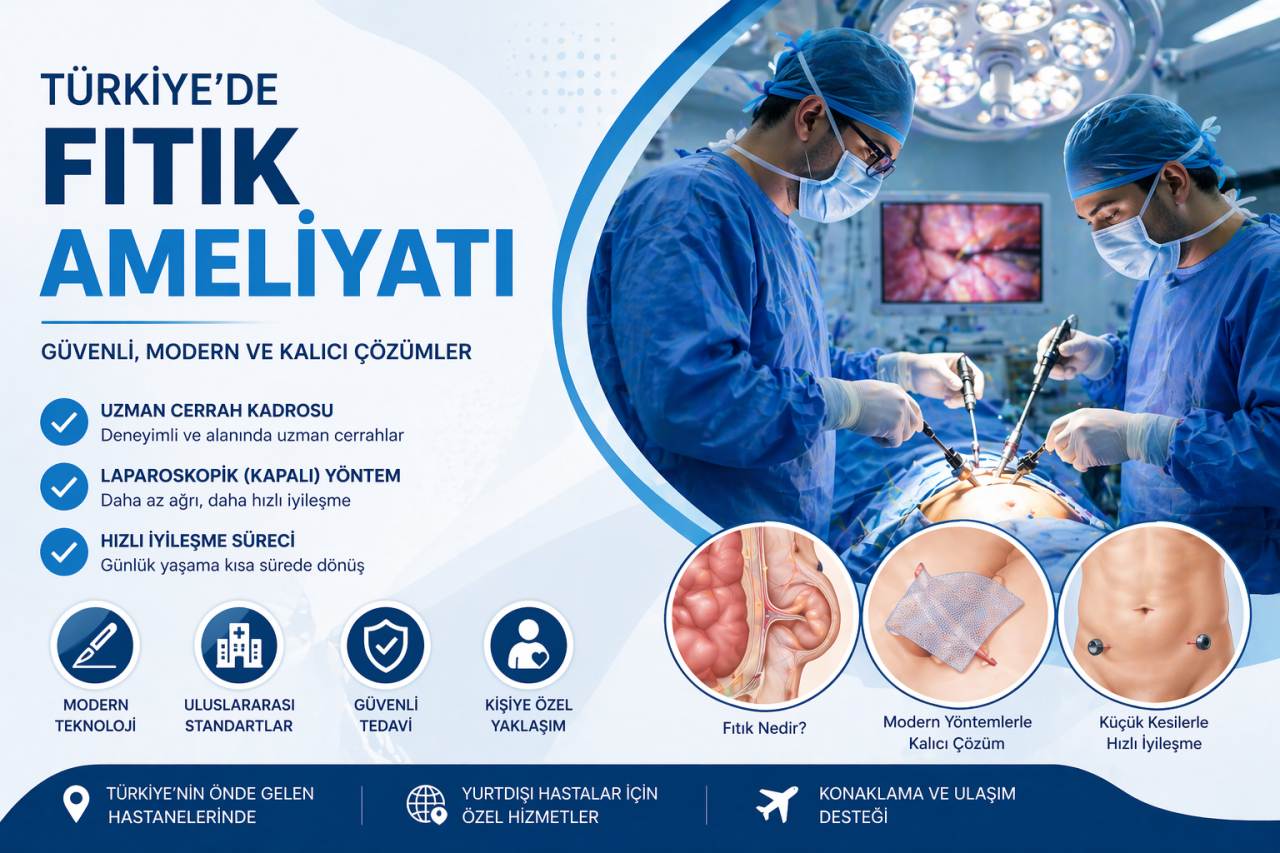
That strange bulge you suddenly feel in your daily life or the discomfort in your groin is not normal, is it? Your body is constantly sending you signals, but most of the time we ignore these signs. A hernia is one of these silent alarms, and when diagnosed early, it is a health issue that can be treated quite successfully.
What is a Hernia and How Does Your Body Give You Clues? Recognize the Symptoms!
That strange bulge you suddenly feel in your daily life or the discomfort in your groin is not normal, is it? Your body is constantly sending you signals, but most of the time we ignore these signs. A hernia is one of these silent alarms, and when diagnosed early, it is a health issue that can be treated quite successfully.
Hernia Surgery in Turkey
What Does Hernia Really Mean? This Mysterious Guest in Your Body
Many people think that hernia is just an ailment of old age, but the reality is very different.
The hernia, which can be seen in people of all ages due to stress from modern life, improper lifting techniques, and genetic factors, is actually an important message from our body.
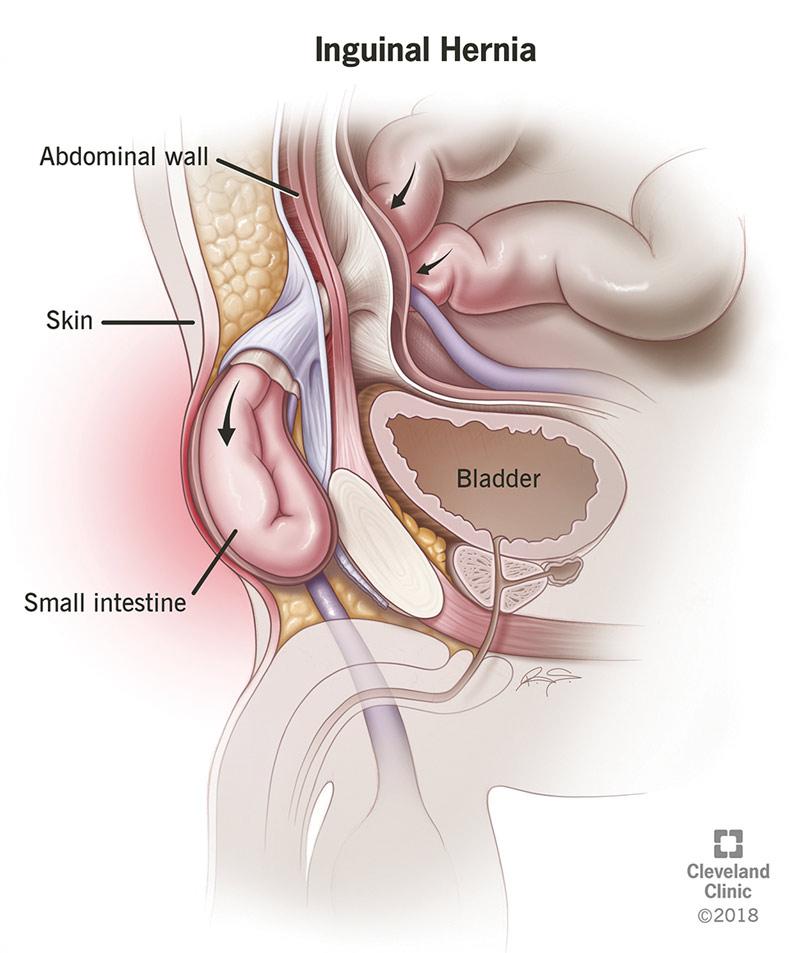
Hernia is the protrusion of internal organs (usually the intestines) through weakened muscles in the abdominal wall, becoming visible under the skin. Imagine that your body has been serving as a strong fortress for you for years, but at some point, small gaps begin to form in the walls of this fortress. A hernia is just like a “leak” that seeps through these gaps.
Every year, thousands of people undergo hernia surgery in Turkey, and this number is steadily increasing. The main reason for this is that our modern lifestyle weakens our muscle structure and disrupts the natural balance of our bodies.
Especially for those who work long hours at a desk, do not exercise regularly, and have poor eating habits, the risk is even higher.
The Secrets Your Body Whispers to You: A Guide to Recognizing Hernia Symptoms
A Guide to Recognizing Hernia Symptoms
So how does your body give you clues about a hernia? The answer to this question is actually hidden in many small details you encounter in your daily life. Most people dismiss these symptoms as “normal” abdominal pain or muscle strain.
Hernia symptoms can vary from person to person, but there are some common signs.
Here is a comprehensive list of symptoms to help you recognize these important messages your body is sending you:
-
- Visible bulge: A noticeable swelling around the groin, abdomen, or the area where you had surgery, especially when coughing, sneezing, or lifting something heavy
- Burning pain sensation: Sharp or dull pain that increases with movement and decreases at rest
- Pressure sensation: A strange feeling of pressure as if something inside is trying to push out
- Discomfort after activity: Discomfort following exercise, walking, or daily activities
- Discomfort after activities:
- Pain that intensifies during coughing and sneezing: Sudden pain that occurs with increased intra-abdominal pressure in these situations
- Constipation and digestive issues: Digestive system disorders, especially seen in intestinal hernias
- Nausea and vomiting: Serious symptoms that arise in advanced stage hernias when the intestines are trapped
The Golden Value of Early Diagnosis: Living with a Hernia or Finding a Solution?
Many people think when they notice hernia symptoms, “Maybe it will go away on its own.”
?nür
However, this approach can complicate the situation further. A hernia is a health issue that does not heal on its own and tends to grow over time.
Early diagnosis and the right treatment approach facilitate the surgical process and significantly shorten the recovery time. Thanks to modern medical technology, hernia surgeries performed using minimally invasive methods have become much more comfortable and safer.
Remember that your body is in constant communication with you. Instead of ignoring those little pains, discomforts, and changes, trying to understand them is the most correct approach.
Early detection of hernia symptoms will significantly preserve not only your physical health but also your quality of life.
Whenever you have any doubts, be sure to consult a healthcare professional to get an accurate diagnosis and initiate the necessary treatment process.
Inguinal, Umbilical, and Other Types of Hernias: What Risks Await You in Which Areas?
 Inguinal, Umbilical, and Other Types of Hernias
After noticing the first signals your body gives you, it’s now time to understand which type of hernia you might encounter in which areas. Each type of hernia has its own unique characteristics and carries different risk factors. Having this information is vital not only for early diagnosis but also for taking preventive measures.
Just as every house has different weak points, certain areas of our body are more prone to hernia formation. This susceptibility is directly related to our anatomical structure, lifestyle, and genetic traits.
So, which region poses which dangers to you and how can you minimize these risks?
Inguinal Hernia: The Biggest Concern for Men, A Hidden Problem for Women
Inguinal hernia is the most common type of hernia, yet it manifests differently in men and women. It occurs in men at a rate of 27%, while in women this rate drops to around 3%. However, don’t let these figures mislead you; inguinal hernias in women tend to progress more insidiously and are harder to diagnose.
Hernias in the groin area occur through a natural passage called the inguinal canal.
This channel is a structure that occurs during the descent of the testicles from the abdominal cavity to the scrotum in men and is normally supposed to close. In women, it is known as the location where the round ligament passes. The weakening of the muscles and connective tissues in this area with age is the main cause of inguinal hernia.
Symptoms of inguinal hernia typically become more pronounced during physical activity. A pulling, burning, or pressure sensation felt in the groin area during heavy lifting, running, coughing, or sneezing are characteristic features of this type of hernia.
Especially in men, the pain can radiate to the testicles and cause difficulty in walking.
Risk factors include increased age, chronic cough, constipation, heavy lifting, and family history. Interestingly, the risk of inguinal hernia also increases in women due to increased intra-abdominal pressure during pregnancy. Therefore, it is important for pregnant women to closely monitor changes in the groin area, especially in the third trimester.
Umbilical Hernia: A Story from Birth to Adulthood
An umbilical hernia is a specific type of hernia that can occur in both newborns and adults.
In newborns, it occurs in 10-25% of cases and often closes spontaneously by the age of 3-4. However, umbilical hernias seen in adults never heal on their own and always require medical intervention.
The formation of a hernia in the abdominal area occurs due to the incomplete closure of the natural opening through which the umbilical cord passes or the reopening of this opening with age. This condition is particularly triggered by obesity, multiple pregnancies, diseases that increase intra-abdominal pressure, and age factors.
The most prominent feature of an umbilical hernia is the soft swelling that occurs around the navel, which becomes more pronounced especially when standing, coughing, or laughing. This swelling is usually painless, but it can sometimes cause a burning sensation and discomfort. In women, the risk of umbilical hernia significantly increases, particularly after pregnancy.
Known as umbilical hernia, this condition can be aesthetically bothersome for individuals. This situation, which becomes more noticeable when wearing tight clothing, is not only a cosmetic issue but also carries serious health risks.
Over time, it can grow and cause bowel obstruction, which requires emergency surgical intervention.
Post-Surgery Hernia: The Unexpected Guest of Recovery
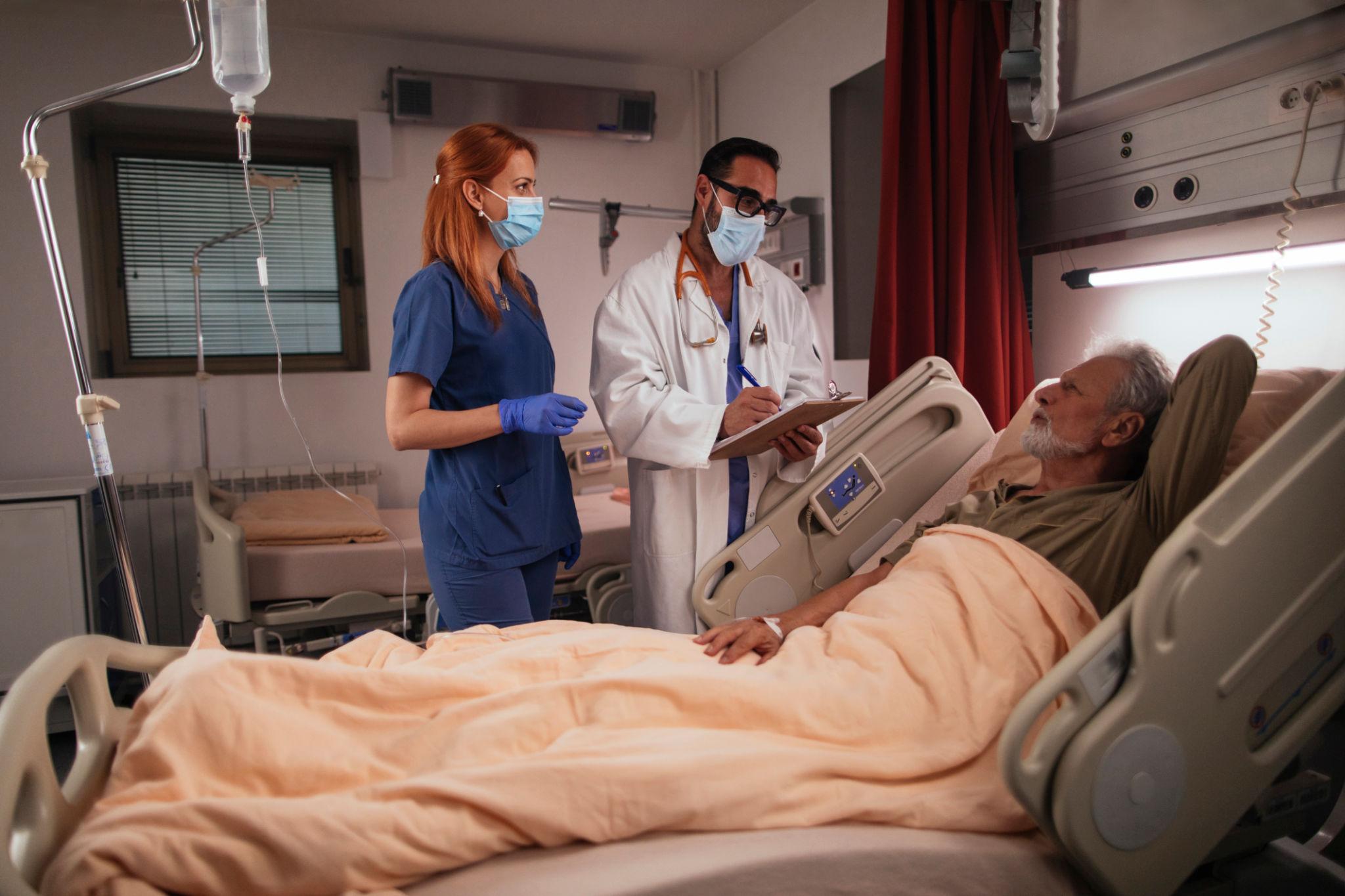 Post-Surgery Hernia
Post-surgery hernia, medically known as incisional hernia, is a type of hernia that occurs at the incision site of a previously performed surgical operation.
This condition occurs in 10-15% of patients and is particularly more common after abdominal surgeries.
Factors such as complications in the wound healing process, infection, old age, obesity, diabetes, and smoking play a role in the formation of this type of hernia. Non-compliance with doctor’s recommendations during the postoperative period, heavy lifting in the early stages, or excessive physical activity are also among the risk factors.
Postoperative hernia can typically appear months or even years after surgery. Swelling, pain, and discomfort at the incision site are the main symptoms of this type of hernia.
Especially in situations where intra-abdominal pressure increases, such as during coughing, sneezing, or defecation, symptoms worsen.
To protect against this type of hernia, it is necessary to strictly adhere to postoperative care instructions, maintain weight control, quit smoking, and have regular check-ups. Additionally, the use of a corset and physical therapy support during the postoperative period can positively affect the healing process.
No matter what type of hernia you encounter, remember that early diagnosis and appropriate treatment facilitate the surgical process and shorten your recovery time.
Instead of ignoring these special messages your body is sending you, it would be best to evaluate them with a specialist physician.
Modern Hernia Surgery Techniques: Open Surgery or Laparoscopy? Which One is Right for You?
You have recognized the symptoms of a hernia, identified its type, and now it’s time for treatment. So, the biggest question you face at this point is: Which surgical technique is the most suitable for your condition? Making the right decision among the various options offered by modern medicine requires not only your surgeon’s expertise but also your own knowledge.
Each technique has its own unique advantages and disadvantages, while your personal situation will be the most important factor determining this choice.
Today, there are two main approaches that come to mind when talking about hernia surgery: traditional open surgery and minimally invasive laparoscopic surgery. Both methods are successfully applied worldwide, but we need to examine these techniques in depth to understand which one is more suitable for you.
Experienced surgeons in Turkey determine the most suitable technique by evaluating the patient’s age, type of hernia, size, and overall health condition.
Open Surgery: The Power of Experience and Timeless Reliability
Open surgery is the classic method that has been successfully used for decades in hernia treatment and is considered the “gold standard.” In this technique, the surgeon makes an incision of 8-12 cm in the hernia area to directly visualize and repair the problem. Although it may seem like a large incision at first glance, the advantages offered by this method are quite remarkable.
The biggest advantage of open surgery is that the surgeon can see and touch the hernia area exactly. This is critically important, especially in complex hernias, recurrent hernias, or in areas that have previously undergone surgery. The surgeon can directly assess the tissues, place the mesh, and instantly check the quality of the repair.
The ability to perform it under local anesthesia is another significant advantage of open surgery. This can be vital for elderly patients, those with heart disease, or individuals at risk for general anesthesia.
The hospital stay duration is usually 1-2 days, and in some cases, there is also the possibility of being discharged on the same day.
In terms of cost, open surgery is a more economical option. The lack of need for special equipment and the shorter surgery duration provide cost advantages for both the hospital and the patient. This procedure, which is covered by SGK in Turkey, can be easily preferred by the majority of patients.
Laparoscopic Surgery: The New Era of Minimal Invasive Approach
21.
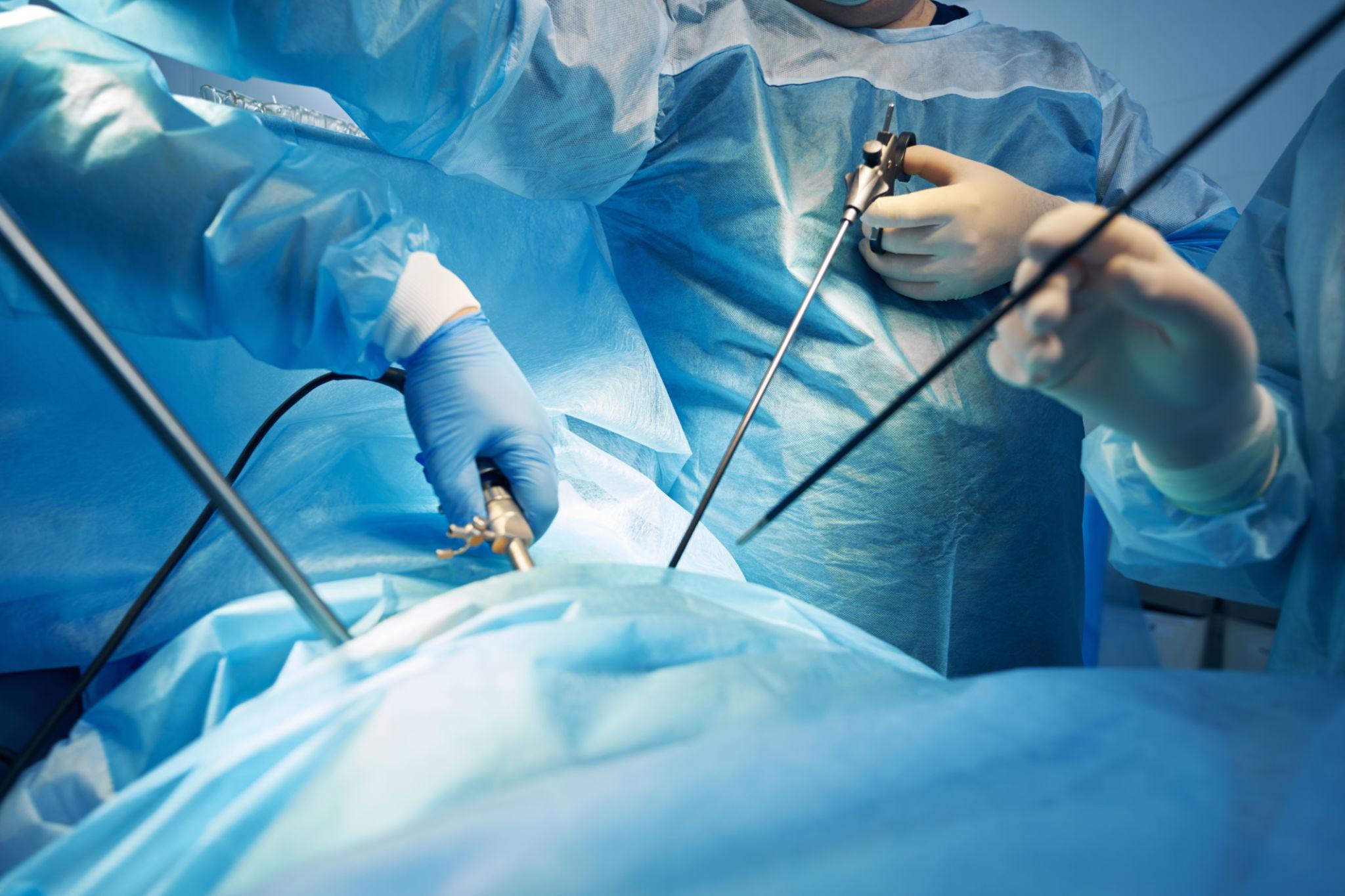
The laparoscopic hernia surgery, representing the general surgery revolution of the century, is a minimally invasive technique also known as “keyhole surgery.” In this method, the surgeon performs the operation by making 3-4 small holes of 5-12 mm in the abdominal wall with the help of special instruments and a camera.
The most striking advantage of laparoscopic surgery is the speed of recovery. Due to the small incisions, tissue trauma remains at a minimal level, which means less pain, faster mobilization, and an earlier return to normal.
Most patients can return to their normal activities within 2-3 days after surgery and can work at full capacity within 1-2 weeks.
From an aesthetic perspective, laparoscopic surgery offers significant advantages. Small incisions become almost invisible over time, which is particularly important for young patients and female patients. Additionally, the risk of infection is significantly lower compared to open surgery.
Another advantage of this technique is the ability to treat bilateral (two-sided) hernias in a single session. While open surgery requires separate incisions for each side, laparoscopic surgery can treat both sides with the same procedure.
This situation provides a significant advantage, especially in inguinal hernias.
Personalized Treatment: What is the Best Choice for You?
One of the best aspects of modern medicine is the development of personalized treatment approaches, moving away from the understanding of one-size-fits-all treatment. The same applies to hernia surgery, and your surgeon will determine the most suitable technique for you by evaluating many factors.
Age plays an important role in the choice of technique. While laparoscopic surgery is preferred in younger patients, open surgery may be safer in older patients.
Hernia size and localization are also critical factors; open surgery may be more advantageous for large hernias, while laparoscopy may be the ideal choice for small hernias.
Below are the basic criteria showing which technique may be more suitable in which situation:
-
-
- Open Surgery Should Be Preferred: Advanced age (70+), serious heart-lung diseases, previous abdominal surgeries, very large hernias, recurrent hernias, need for local anesthesia
- Laparoscopic Surgery Is Ideal: Young-middle age, bilateral hernia, aesthetic concerns, need for quick return to normal, active work life, small-medium sized hernias
- Both Techniques Are Applicable: Middle age group, unilateral medium-sized hernias, absence of special risk factors, patient preference
-
in the foreground
Remember that these criteria are general guidelines and the final decision should definitely be made based on the evaluation of an experienced surgeon.
Hernia surgery centers in Turkey provide world-class services in both techniques, and patients can confidently turn to these centers.
Regardless of which technique you choose, what matters is early diagnosis and proper treatment. Modern hernia surgery has a success rate of 95-98% with both methods, and patients can lead a quality life after surgery.
Share your concerns by communicating openly with your surgeon and together determine the treatment plan that suits you best.
Post-Operative Quick Recovery Guide: What to Do, What to Avoid?
Your hernia surgery has been successfully completed, and you are now in the most critical phase of the recovery process. This phase is vital for ensuring the long-term success of the surgery and for returning to your daily life as quickly as possible.
So, what steps should you take during the post-operative period, and what mistakes should you avoid? This guide offers practical information that will accelerate your recovery process and minimize the risk of complications.
First 24-48 Hours: Critical Starting Period and Your Body’s Adaptation Process
The first few days after surgery are the most important period that forms the foundation of your recovery process. During this time, your body tries to recover from the effects of anesthesia and also initiates the wound healing process. Most patients are not exactly sure what to do during this period and sometimes inadvertently engage in behaviors that could negatively affect the healing process.
Golden Rules for Movement and Mobilization: While bed rest is important in the first hours after surgery, it is also not correct to remain completely immobile. With your surgeon’s approval, you can gradually move to a sitting position 4-6 hours after surgery, and you can stand up with support 8-12 hours later. This early mobilization improves blood circulation and reduces the risk of thrombosis.
It is also important to be conscious about pain management. Post-operative pain is completely normal, and you should not be afraid of this pain. Take the pain relief medications recommended by your doctor regularly; do not wait until the pain intensifies.
In the early stages, applying ice can also be effective in reducing pain, but do this with a doctor’s approval.
You also need to review your eating habits during this period. Increase your fluid intake within the first 24 hours, but avoid caffeine and alcohol consumption. Prefer light, easily digestible foods and consume small, frequent meals instead of large portions. Constipation is one of the most common issues after surgery, and excessive straining during defecation can affect the wound site.
1.Week: Wound Healing and Strategies for Returning to Daily Activities
The first week after surgery is the most active period for wound healing. Demonstrating the right approaches during this process not only shortens your recovery time but also minimizes the risk of complications. Many patients act hastily during this period and start heavy activities too early, which can lead to undesirable outcomes.
Wound Care and Hygiene Rules: Keeping your surgical area dry and clean is critically important. Avoid taking a shower for the first 48 hours; prefer a sponge bath.
When you start taking a shower, do not rub the wound area and gently dry it after the shower. If you notice redness, swelling, discharge, or increased pain at the wound site, consult your doctor immediately.
It is also very important to adhere to physical activity restrictions during this period. Do not lift weights over 5 kilograms, minimize stair climbing and descending movements, and avoid sudden movements. Support your surgical area with your hand while coughing or sneezing; this will reduce tension on the wound site.
You need to optimize your nutrition program during this period. Increase your protein intake as protein is an essential nutrient for wound healing. Choose quality protein sources such as fish, chicken, eggs, dairy products, and legumes. Also, add fruits and vegetables rich in vitamin C to your diet. If you smoke, you must definitely quit during this period as nicotine severely hinders wound healing.
Weeks 2-6: Key Steps for a Return to Normal Life and Long-Term Success
The period between the second week and the sixth week represents your gradual return to normal life.
It is very important to be patient during this process and to respect your body’s healing pace. Rushing can lead to bigger problems in the long run and jeopardize the success of the surgery.
Below is a comprehensive list of critical points to pay attention to during the post-operative period:
- Physical Activity Gradation: Light walking by the end of the 2nd week, normal pace walking by the end of the 4th week, light exercises by the end of the 6th week
- Weight Lifting Limits: Maximum 2-3 kg for the first 2 weeks, 5-7 kg during the 3rd and 4th weeks, 6.
- Gradual Increase After Weekends:
- Return to Work: 3-5 days for desk jobs, 2-4 weeks for physically demanding professions
- Driving: You can start 3-5 days later if you are not using painkillers and can brake suddenly
- Sexual Activity: Generally 1-2 weeks later if there is no pain and you feel comfortable
- Sports Activities: Light sports 4-6 weeks, heavy sports and bodybuilding 8-12 weeks later
- Travel Restrictions: Short-distance travel 1 week, long-distance and air travel 2-3 weeks later
- During this period, you should also permanently improve your eating habits.
Excess weight is one of the most important risk factors for hernia recurrence. Create a balanced diet plan, practice portion control, and adopt a regular exercise habit. Consume fiber-rich foods to prevent constipation and drink at least 8-10 glasses of water a day.
One of the most important factors for long-term success is to continue with regular check-ups. Do not miss the check-up appointments set by your surgeon and do not hesitate to contact if you have any concerns.
It is critically important to be monitored with 6-month check-ups within the first year after surgery for the early detection of possible complications.
Remember that the recovery process after hernia surgery is not only a physical but also a psychological process. Give yourself time, be patient, and listen to the signals your body is giving you. With the right approach and dedication, you can successfully complete this process and achieve a healthy life.


