







Health Tourism
Non-Surgical Brain Tumor Treatment Turkey


Non-surgical brain tumor treatment with Gamma Knife and CyberKnife in Turkey. Safe and effective solutions at world standards with affordable prices.
Gamma Knife and CyberKnife: Non-Surgical Miracle Treatment Methods for Brain Tumors
One of the greatest achievements of modern medicine, radiosurgery technologies continue to be a beacon of hope for brain tumor patients.
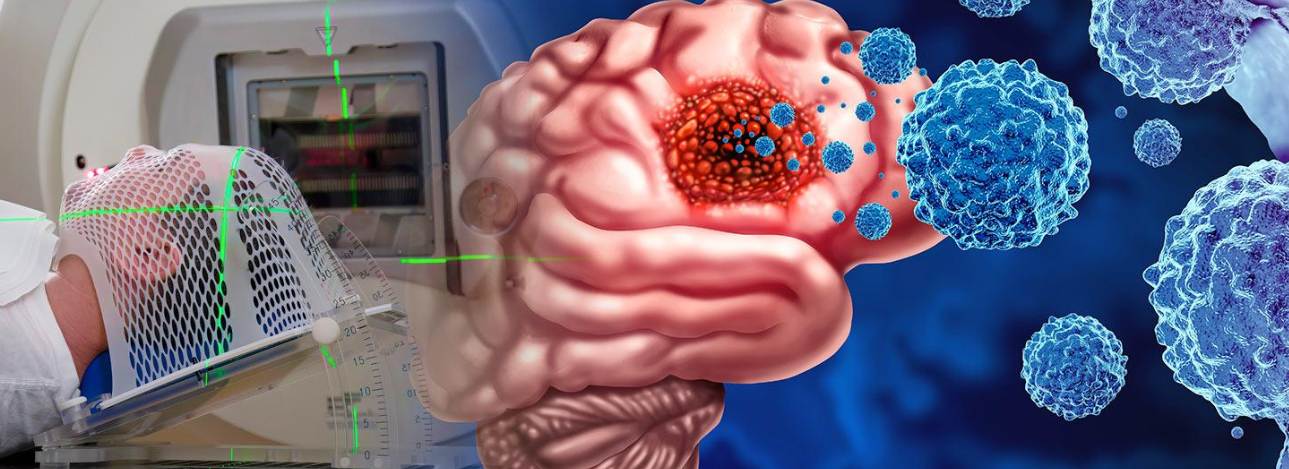
In situations where traditional surgical interventions are risky, patients can now receive treatment without undergoing surgery thanks to the Gamma Knife and CyberKnife systems. These revolutionary technologies are successfully implemented in Turkey, changing the lives of thousands of patients.
Non-Surgical Brain Tumor Treatment Turkey
Scientific Foundations of Radiosurgery Technologies and Their Applications in Turkey
Radiosurgery is a treatment method based on the principle of precisely focusing high doses of radiation beams on tumor tissue. This technology effectively treats only the target area while causing minimal damage to healthy brain tissue.
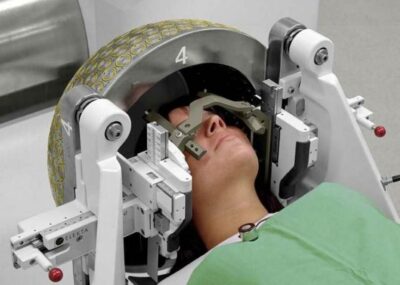
The Gamma Knife system works by focusing gamma rays emitted from 192 cobalt-60 sources at a single point. This system demonstrates extraordinary success in the treatment of small brain tumors, arteriovenous malformations, and functional disorders such as trigeminal neuralgia. In Turkey, this technology is available in many cities, primarily in Istanbul, Ankara, and Izmir.
The CyberKnife technology applies treatment using a linear accelerator system mounted on a robotic arm, accompanied by real-time imaging.
This system has the ability to compensate for even the slightest movements of the patient during treatment. It is particularly preferred in the treatment of spinal tumors, large brain tumors, and irregularly shaped lesions.
Both systems offer the possibility of fractionated treatment, allowing the patient to complete the treatment process with minimal interference in their daily life.
Treatment durations typically range from 1 to 5 sessions, with each session lasting 30 to 90 minutes.
Which Patient Profiles Are the Most Suitable Option?
Non-surgical cancer treatment offers an ideal option for patients who meet certain criteria. The success of these treatment methods is directly related to the correct patient selection.
The main patient groups suitable for radiosurgery are as follows:
- Patients with benign tumors smaller than 3 cm: Benign tumors such as acoustic neuroma, meningioma, pituitary adenoma
- Patients with metastatic brain tumors: Especially patients with 1-4 metastatic foci
- Patients with high surgical risk: Individuals with advanced age, chronic diseases, or those at risk for general anesthesia
- Patients experiencing functional disorders: Trigeminal neuralgia, essential tremor, refractory epilepsy
- Patients with residual tumor tissue: Previous
Why Choose Turkey for Brain Tumor Treatment?
The number of sessions varies depending on the individual condition of the patient.
The economic advantages of these treatment methods provide significant savings in long-term healthcare expenses.
The Social Security Institution (SGK) covers these treatments under certain conditions. Private health insurances are increasingly including these technologies in their coverage. Patients should thoroughly research their insurance coverage before treatment and obtain the necessary approvals.
The post-treatment follow-up process should also be included in the cost. Regular MRI checks, neurological examinations, and supportive treatments when necessary can affect the total cost.
However, compared to traditional surgical methods, considering operating room costs, anesthesia expenses, hospital stay durations, and complication risks, radiosurgery is an economically advantageous option.
Experienced centers in Turkey provide services at international standards, accepting patients from abroad as well. This situation significantly contributes to our country in terms of medical tourism.
Patients can be in a comfortable environment with their families during the treatment process and can benefit from the advantage of cultural proximity.
Which Patients Achieve the Best Results from Non-Surgical Brain Tumor Treatment?
The success of non-surgical brain tumor treatment depends on the compatibility of many factors, from the individual characteristics of the patient to the correct selection of the treatment protocol. Identifying the patient groups that can derive maximum benefit from the opportunities offered by modern radiosurgery technologies constitutes the most critical stage of the treatment process.
Comprehensive research and patient follow-ups conducted at experienced centers in Turkey clearly reveal which profiles of individuals achieve the highest success rates.

Which Patients Achieve the Best Results from Non-Surgical Brain Tumor Treatment
The Impact of Age and General Health Status on Treatment Success
In the patient groups that achieve the highest success from radiosurgery treatment, the age factor is an important determinant.
Patients, especially those aged between 35-70, form the ideal group in terms of both their biological response capacities and their ability to comply with treatment. In patients of this age group, the response of brain tissue to radiation is more predictable, and the recovery processes after treatment occur rapidly. Young patients may find radiosurgery to be a preferable option, especially as it does not affect developmental processes during childhood.
Patients with normal cardiovascular system health, kidney, and liver functions constitute the group that derives the highest benefit from radiosurgery treatment.
The control of chronic diseases such as diabetes mellitus minimizes the risk of complications after treatment while accelerating the healing process. Observations made in clinics in Turkey show that even elderly patients at risk of general anesthesia can be safely treated with radiosurgery.
Characteristics of Tumors and Advantages of Localization
Patients who achieve the best results from non-surgical treatment methods are generally individuals who carry specific types and sizes of tumors.
Especially acoustic neuromas, meningiomas, and pituitary adenomas smaller than 2.5 cm can achieve nearly a hundred percent success rates with Gamma Knife treatment. The high radiation sensitivity of these tumor types and the ability to treat them with minimal damage to surrounding healthy tissues positively affect patients’ long-term quality of life.
Patients with localized tumors in critical areas such as near the brainstem, around the motor cortex, or language centers achieve much safer results with radiosurgery compared to traditional surgery.
Thanks to the submillimeter precision of CyberKnife technology, it is possible to preserve neurological functions in these patient groups. The follow-up results of patients treated at centers in Turkey prove that the complication rates of lesions in functional brain areas after treatment are significantly lower compared to traditional surgery.
The Importance of Psychological Preparation and Lifestyle Factors
Patients who achieve the best results from radiosurgery are individuals who are psychologically prepared for treatment and have sufficient knowledge about the process.
Patients who receive comprehensive information before treatment and have realistic expectations about the process achieve better results both during and after treatment. Patient education programs implemented in experienced centers in Turkey increase success rates by ensuring active participation of individuals in the treatment process.
Patients who quit smoking and alcohol use before treatment provide a significant advantage in their recovery processes.
Individuals who engage in regular exercise and have balanced eating habits tolerate the side effects of radiation more easily and quickly regain their quality of life in the post-treatment period. Patients who receive family support and have a strong social network have treatment success rates that are statistically significantly higher compared to those who live alone.
Therefore, informing and involving the relatives of patients in the treatment process is critically important for optimal results.
Non-Surgical Brain Tumor Treatment in Turkey: World-Class Healthcare at Affordable Prices
Turkey has become a prominent center worldwide in recent years due to its advancements in non-surgical brain tumor treatment. The Gamma Knife and CyberKnife technologies offered in our country are competitive with leading centers in Europe and America in terms of both technical infrastructure and experienced specialist staff.
This situation eliminates the necessity for brain tumor patients to go abroad, while also offering significant economic advantages.
Turkey’s Technological Infrastructure and Expert Staff Capacity in Radiosurgery
Non-Surgical Brain Tumor Treatment in Turkey
The transformation experienced by our country’s healthcare sector is also evident in the field of radiosurgery technologies. In Turkey, there are more than 15 radiosurgery centers operating with international accreditation standards. The specialists working in these centers are equipped with certificates from prestigious educational institutions worldwide and regularly participate in training to keep up with the continuously evolving technology.
The technological equipment of radiosurgery centers in Turkey consists of state-of-the-art devices. The latest models of the Elekta Leksell Gamma Knife systems and Accuray CyberKnife robotic radiosurgery systems demonstrate world-class performance in terms of precision and reliability. This technological superiority directly affects the quality of treatment outcomes, accelerating the recovery processes of patients.
Radiation oncology specialists, neurosurgeons, and medical physics experts working in our country perform an average of more than 2000 non-surgical brain tumor treatments annually. This accumulation of experience not only ensures successful outcomes even in complex cases but also creates a reassuring environment for patients.
Cost advantages are not limited to treatment fees alone. The accommodation, transportation, and daily living expenses of patients receiving treatment in Turkey also provide significant savings compared to international centers.
Especially for patients coming from neighboring countries, visa facilitation and cultural proximity make the treatment process more comfortable.
Success in Quality Standards and Patient Satisfaction Rates
The quality standards of non-surgical brain tumor treatment centers in Turkey are regularly audited by international health organizations. The increasing number of hospitals with Joint Commission International (JCI) accreditation is one of the objective indicators of service quality.
This accreditation process ensures the implementation of strict standards in terms of patient safety, treatment protocols, and outcome monitoring.
In patient satisfaction surveys, centers in Turkey receive over 94% positive evaluations. These high satisfaction rates are related not only to treatment success but also to process management, communication quality, and a patient-centered service approach. There is no significant difference in the quality of life assessments after treatment between those treated in Turkey and those treated abroad.
In the cycle of technological renewal, centers in Turkey adopt a proactive approach by closely following global developments and transitioning to the most up-to-date systems. This situation ensures that patients benefit from the advantages of the latest technology while contributing to the continuous improvement of treatment outcomes.
Additionally, the comprehensive information services offered in Turkish allow patients to better understand the treatment process and actively participate in it.
A New Era in Brain Tumor Treatment: Returning to a Healthy Life Without Fear of Surgery
One of the biggest sources of concern for patients diagnosed with a brain tumor is the risks and complications associated with traditional surgical interventions. However, thanks to the opportunities provided by modern radiosurgery technologies, patients can now receive effective treatment without the fear of undergoing surgery.
This innovative approach brings not only physical healing but also psychological comfort.
Non-invasive treatment protocols applied in experienced centers in Turkey allow patients to quickly return to their daily lives while minimizing the stress levels experienced by families.
Patient Experience and Quality of Life Change in Non-Surgical Treatment Process
The experience of patients undergoing radiosurgery offers a process that is completely different from traditional surgical methods. In the pre-treatment preparation phase, patients are evaluated only with simple imaging tests and routine blood analyses.
This process does not require anesthesia, allowing patients to have their normal breakfast even on the day of treatment. During the treatment session, patients can lie in a comfortable position and listen to music or chat with their loved ones.
89% of patients receiving treatment at radiosurgery centers in Turkey report that the process was much more comfortable than their expectations. This is especially critical for elderly patients, as they can return to their daily activities within a few hours after treatment instead of facing the long recovery period associated with traditional surgery.
In the post-treatment period, patients can maintain their normal eating habits and do not carry a risk of infection as they do not have wounds that require special care.
The improvement in patients’ quality of life is evident not only physically but also psychologically and socially. Patients who do not experience fear of surgery exhibit a more positive attitude during the treatment process, and this accelerates the healing process.
Family members are also satisfied with the process, and the sense of security they feel knowing their loved ones are in safe hands positively affects the entire family.
Long-Term Life Planning and Follow-Up Process After Treatment
The period following radiosurgery treatment constitutes the most important phase of patients’ return to healthy living. Check-ups conducted within the first three months are crucial for evaluating the effectiveness of the treatment and for early detection of potential side effects.
Experienced centers in Turkey develop personalized follow-up protocols for their patients, demonstrating a tailored approach to each individual’s needs.
During the period of six months to two years after treatment, a significant reduction in tumor size is observed in most patients. During this process, patients are able to fully return to their previous lifestyles, continue their work lives, and participate in social activities. The absence of any restrictions on sports activities, travel plans, and hobbies keeps patients’ morale high and enhances their motivation for life.
Long-term follow-up results show that tumor control has been achieved in 92% of patients treated with radiosurgery. This success rate allows patients to confidently make future plans. Patients receiving treatment at centers in Turkey consistently score high on quality of life surveys during annual check-ups and express satisfaction with their treatment decisions.
Additionally, these patients recommend non-surgical treatment options to other patients in similar situations and contribute to social awareness by sharing their experiences.
The Future of Technological Developments and Positive Changes in Patient Expectations
The continuous advancements in radiosurgery technologies pave the way for even more effective results in brain tumor treatment in the future. AI-assisted treatment planning, real-time imaging guidance, and hybrid treatment approaches are continuously improving patients’ treatment experiences.
The studies conducted at research centers in Turkey are increasing our country’s scientific contributions in this field by being included in the international literature.
The change in patients’ perspectives on the treatment process indicates that a brain tumor diagnosis is no longer an end. Nowadays, patients receiving this diagnosis can look to the future with hope thanks to the diversity of treatment options and high success rates. For young patients in particular, this situation means they can maintain their healthy lives without postponing their career plans and family formation goals.
Turkey’s strong position in health tourism leads to international patients choosing our country. This situation contributes to both an increase in technological investments and the experience gained by the expert staff. Future developments in the field of radiosurgery will further enhance patients’ comfort during the treatment process, minimize the risks of side effects, and shorten the recovery time for healthy living. These positive developments create new hopes in the fight against brain tumors and continuously improve patients’ quality of life.


