







Health Tourism
Thyroid Surgery in Turkey


What you need to know about thyroid surgery in Turkey. Detailed explanation of thyroid diseases, the surgical process, risks, and complications.
What is the Thyroid and Which Diseases Affect the Thyroid Gland?
Located in the neck area, the butterfly-shaped thyroid gland is one of the most important hormone production centers in our body. This small but powerful gland controls many vital functions, from metabolism to heart rate, body temperature to mental functions.
The health of the thyroid gland is a critical factor that directly affects your overall quality of life.
Structure and Vital Functions of the Thyroid Gland

Thyroid Surgery in Turkey
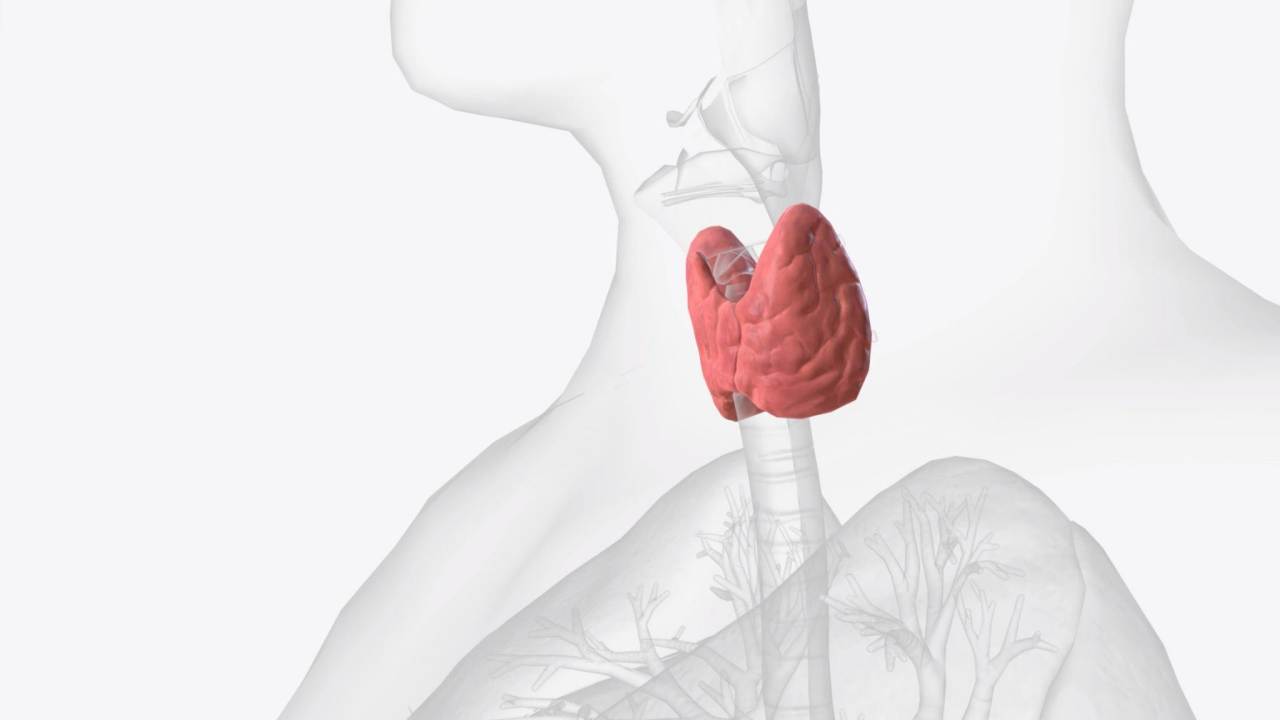
The thyroid gland is an endocrine organ located just below the larynx, above the trachea. Weighing approximately 15-20 grams, this gland consists of two lobes connected by a thin bridge.
The primary function of the thyroid gland is to produce thyroid hormones T3 (triiodothyronine) and T4 (thyroxine).
These hormones perform many critical functions in our body. They regulate metabolic rate, control protein synthesis, and affect the functioning of the heart and nervous system. Additionally, the maintenance of body temperature and the healthy progression of growth and development processes are also the responsibility of thyroid hormones.
These hormones, which are indispensable for brain development, especially in children, also determine energy levels and overall health in adults.
Main Diseases Affecting the Thyroid Gland
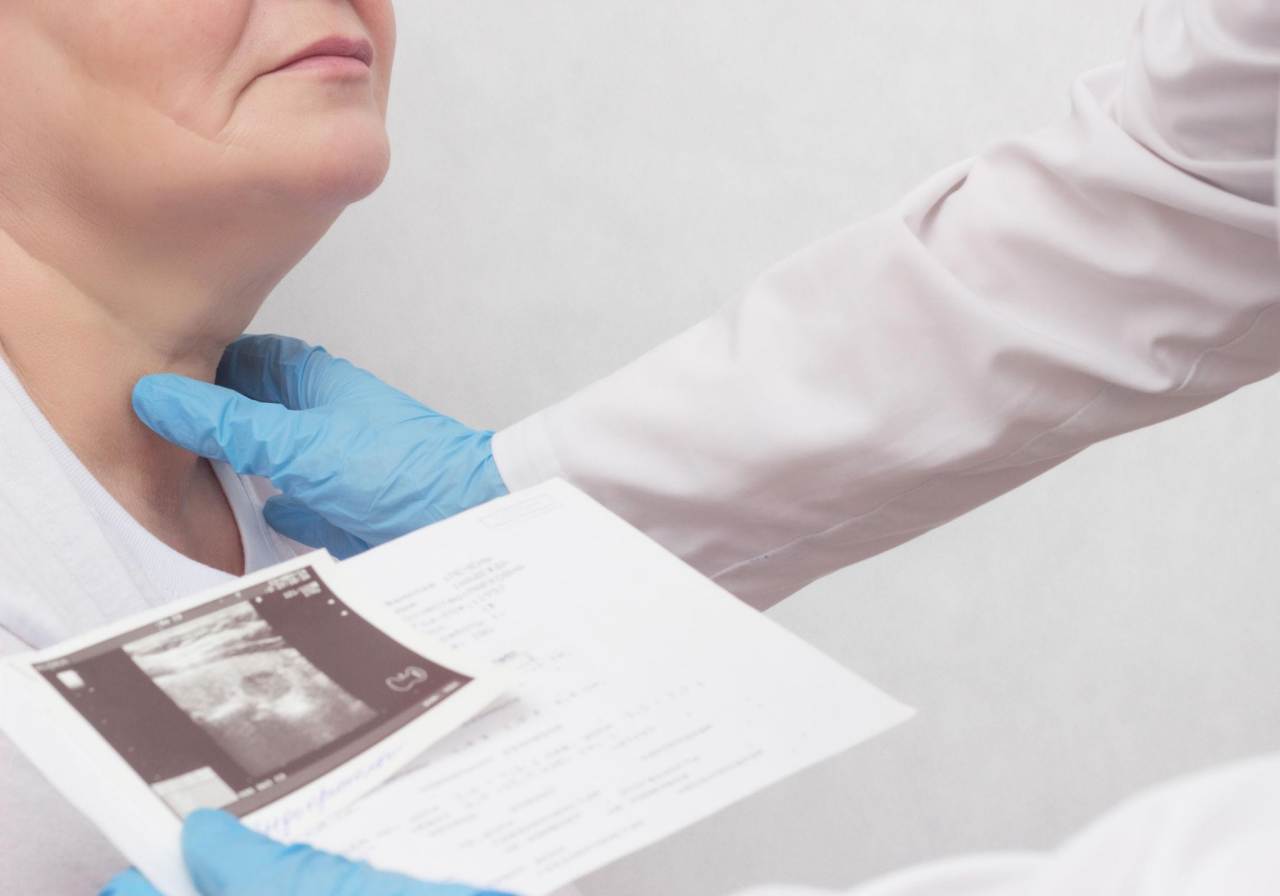
Main Diseases Affecting the Thyroid Gland
Diseases affecting the thyroid gland usually arise from excessive or insufficient hormone production, changes in the structure of the gland, or autoimmune reactions. These diseases can seriously impact the quality of life and may lead to complications if not diagnosed early.
The most common thyroid diseases are as follows:
- Hyperthyroidism (Overactive Thyroid): Caused by Graves’ disease, toxic nodular goiter, and types of thyroiditis
- Hypothyroidism (Underactive Thyroid): Can develop due to Hashimoto’s thyroiditis, iodine deficiency, or after thyroid surgery
- Thyroid Nodules: Small lumps that form in the gland, mostly benign but require monitoring
- Thyroid Cancer: Has different types including papillary, follicular, medullary, and anaplastic
- Goiter (Thyroid Enlargement): Caused by iodine deficiency or hormone
- Thyroiditis: Inflammation of the thyroid gland, which can have acute, subacute, or chronic forms
Symptoms of Thyroid Diseases and the Importance of Early Diagnosis
Thyroid diseases often develop insidiously and may not present symptoms initially.
However, as the disease progresses, various changes are observed in the body. Early diagnosis is the most important factor that increases the success of treatment.
Symptoms of Thyroid Diseases and Early Diagnosis
In the case of hyperthyroidism, palpitations, excessive sweating, weight loss, tremors, irritability, and sleep disturbances are observed.
Hypothyroidism manifests itself with fatigue, weight gain, hair loss, feeling cold, constipation, and a depressed mood. Thyroid nodules are mostly silent, but large nodules can cause difficulty swallowing or hoarseness.
If you experience swelling in the neck area, changes in your voice, a persistent cough, or any of the symptoms mentioned above, you should definitely be evaluated by an endocrinologist or general surgery. Most thyroid diseases can be successfully managed with the right diagnosis and treatment.
Regular check-ups and a healthy lifestyle are the most effective ways to maintain your thyroid health.
When is Thyroid Surgery Necessary? What Symptoms Are Warning Signs?
Thyroid surgery, referred to in medical literature as thyroidectomy, is the surgical removal of all or part of the gland. This operation can be a life-saving treatment method in response to various pathological conditions occurring in the thyroid gland.
So, under what conditions does this surgical intervention become inevitable, and what symptoms should patients notice that require them to immediately consult a specialist doctor?
Critical Conditions Requiring Emergency Surgical Intervention
Situations where thyroid surgery is absolutely necessary are generally pathologies that pose a threat to life or could lead to serious complications. At the forefront of these situations is suspicion of cancer. When malignant cells are detected as a result of fine needle aspiration biopsy, delaying surgery increases the risk of metastasis and reduces the chance of treatment.
Large nodules are also significant conditions that indicate the need for surgery. Nodules larger than 4 centimeters, even if benign, can press on surrounding organs, causing difficulty in breathing, swallowing problems, and hoarseness. These types of nodules must be surgically removed as they also carry malignancy potential.
Uncontrolled hyperthyroidism cases are also critical conditions that require surgery. Especially cases of Graves’ disease or toxic nodular goiter that do not respond to medication may require emergency surgical intervention due to the risk of heart attack.
In these patients, a life-threatening complication known as thyroid storm may develop.
Warning Signs Patients Should Pay Attention To
Symptoms indicating the need for thyroid surgery are generally of a progressive nature and increase in severity over time. Early recognition of these symptoms is a significant factor that greatly enhances the success of treatment.
The sensation of a rapidly growing mass in the neck area is one of the most important warning signs of thyroid cancer. In particular, masses that feel hard, have an irregular surface, and are adhered to surrounding tissues are considered highly suspicious for malignancy.
The enlargement of lymph nodes accompanying these types of masses may also be an indicator of cancer spread.
Hoarseness and changes in voice indicate that the growth in the thyroid gland is pressing on the nerve that innervates the vocal cords. This situation is a serious warning sign, especially when it occurs without having a cold. Similarly, difficulties in swallowing and shortness of breath are also signs that the gland is growing and pressing on the esophagus and trachea.
Metabolic symptoms may also indicate the need for surgery.
If symptoms of hyperthyroidism such as excessive weight loss, constant palpitations, excessive sweating, and sleep disturbances persist despite medication, surgical intervention may be considered. On the other hand, symptoms of hypothyroidism such as progressive fatigue, cold intolerance, and edema may also necessitate surgery when accompanied by large nodules.
Factors Influencing the Surgical Decision
The decision for thyroid surgery is made after careful evaluation of multiple factors.
In this process, patient age, general health status, and aggressiveness of the disease are the most important determining factors.
In young patients, thyroid nodules may exhibit a more aggressive course, so the threshold for surgery is lower. Suspicious nodules in patients under 30 years of age should definitely be surgically removed. In older patients, decisions are made considering surgical risks and life expectancy.
Family history is also a critical factor. In families with a history of medullary thyroid cancer or multiple endocrine neoplasia syndrome, prophylactic thyroidectomy is recommended in the case of a positive genetic test. In such cases, surgery is performed for preventive purposes before the disease develops.
In patients with a history of radiation exposure, the threshold for surgery is also low. Especially in individuals who have received radiation therapy to the neck area during childhood, even small nodules can indicate the need for surgery.
The risk of cancer development in these patients is 20-30 times higher than in the normal population.
How is Thyroid Surgery Performed? Pre and Post-Operative Process
Thyroid surgery is an important medical intervention that is safely performed with modern surgical techniques and has saved the lives of thousands of patients. This operation, referred to as thyroidectomy, yields very successful results when performed by experienced surgeons.
Every stage of the surgical process is planned and implemented with the patient’s safety and comfort as a priority.
Comprehensive Preparation and Evaluation Process Before Surgery
How Thyroid Surgery is Performed
After the decision for thyroid surgery is made, the preoperative preparation process is of critical importance.
This process begins with the evaluation of the patient’s overall health status. A cardiological examination, lung function tests, and detailed blood tests are conducted to minimize the risk of surgery. These evaluations are carried out in more detail, especially in elderly patients or those with chronic diseases.
In the pre-operative period, normalizing thyroid function tests is of vital importance. In patients with hyperthyroidism, antithyroid medications are used to control hormone levels. This process usually takes 4-6 weeks, and surgery is planned after the patient is brought to an euthyroid state.
In patients with hypothyroidism, metabolic conditions are optimized by administering thyroid hormone replacement.
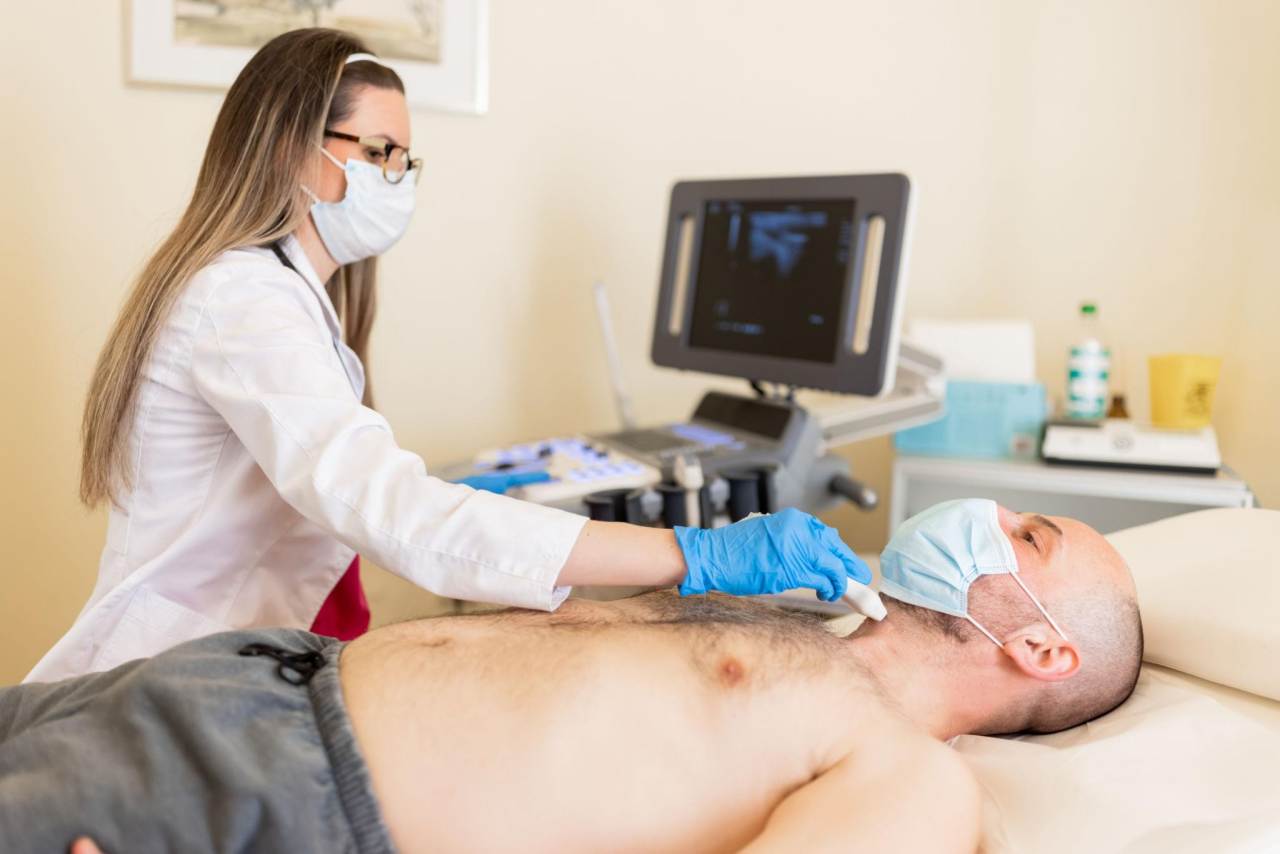
Laryngoscopy examination is routinely performed to evaluate the vocal cords. This examination is necessary for documenting vocal cord functions before surgery. Additionally, details of the anatomy are determined through neck ultrasound and, when necessary, computed tomography.
These imaging methods serve as a guide for the surgeon in determining the surgical strategy.
Technical Details and Stages of Thyroid Surgery
Thyroid surgery is usually performed under general anesthesia and lasts approximately 2-4 hours. The patient is positioned on their back with the neck area slightly extended backward. This position allows the surgeon the best access to the thyroid gland. In modern surgical techniques, minimally invasive approaches are preferred, and the procedure is completed with as small incisions as possible.
During the surgery, the preservation of the recurrent laryngeal nerve is the most critical point. Since this nerve innervates the vocal cords, damage to it can lead to hoarseness. Experienced surgeons minimize this risk by using nerve monitoring systems. Additionally, the preservation of the parathyroid glands is also important because these glands control calcium metabolism.
Surgically, total thyroidectomy or partial thyroidectomy can be performed. In total thyroidectomy, the entire gland is removed, while in partial thyroidectomy, only the affected lobe is taken.
The technique to be applied is determined by the type of disease, its prevalence, and the patient’s overall condition. In cancer cases, total thyroidectomy is generally preferred.
During the surgery, a rapid pathological examination called frozen section may be performed. With this method, it can be determined during the surgery whether the removed tissue is cancerous, and if necessary, the scope of the surgery can be expanded. This approach reduces the risk of the patient needing a second surgery.
Post-Surgery Recovery Process and Preservation of Quality of Life
The hospital stay duration after thyroid surgery is usually 1-2 days.
During this period, the patient is kept under close observation and monitored for complications. Calcium levels and vocal cord functions are checked within the first 24 hours after surgery. If no complications develop, the patient can be discharged.
Hormone replacement is a treatment that must continue for life in patients who have undergone total thyroidectomy. A synthetic thyroid hormone called levothyroxine is taken daily, and the dosage is adjusted with regular blood tests. With this treatment, patients can continue their normal lives without any restrictions.
Post-operative physical activity restrictions are temporary. It is recommended to avoid heavy lifting for the first 1-2 weeks, but daily life activities can be carried out normally. Wound care is important, and attention should be paid to signs of infection. In case of swelling, redness, or fever in the neck area, a doctor should be consulted immediately.
Long-term follow-up is critical after thyroid surgery. Initial check-ups are performed within 1-2 weeks post-surgery and continue at regular intervals thereafter. In cancer cases, additional treatments may be necessary, and oncology follow-up is conducted.
Possible complications are detected and treated early thanks to regular check-ups.
Post-operative quality of life is often better than the pre-operative period with the right treatment and follow-up.
Patients feel energetic and get rid of the symptoms caused by thyroid disease. There are no specific restrictions on dietary habits and lifestyle, but the consumption of iodized salt and healthy eating is recommended.
What Are the Risks and Complications of Thyroid Surgery?
Although thyroid surgery is a very safe surgical procedure today, it carries certain risks and complications, like any surgery. Knowing and managing these risks correctly is critical for both patients and surgeons.
Although the presence of modern medical technology and experienced surgeons has significantly reduced these risks, patients should be well-informed about this matter before surgery.
Thyroid surgery complications are categorized into temporary and permanent types. Temporary complications usually resolve within a few weeks or months, while permanent complications can last a lifetime.
Therefore, when making the decision for surgery, a risk-benefit analysis must be conducted very carefully, and the patient should be thoroughly informed about this matter.
Risks of Hoarseness and Vocal Cord Damage
The most well-known and feared complication of thyroid surgery is hoarseness. This condition arises when the recurrent laryngeal nerve, which controls the vocal cords, is damaged during surgery. Since this nerve runs just behind the thyroid gland, it is at risk during the operation. Experienced surgeons use nerve monitoring systems to minimize this risk and carefully distinguish anatomical structures.
Hoarseness is usually noticed in the first days after surgery and is temporary in most cases. While approximately 5-10% of patients experience temporary hoarseness, the rate of permanent voice loss is below 1% in experienced surgeons. In cases of temporary hoarseness, the function of the vocal cords returns to normal within 3-6 months. During this process, voice therapy and special exercises can accelerate recovery.
In the case of bilateral recurrent nerve damage, difficulty breathing may develop, which can be life-threatening. Therefore, this risk is higher, especially in patients undergoing surgery for the second time or those who have undergone total thyroidectomy.
The complication rate in modern surgical techniques is very low; however, patients must be informed about this issue.
Calcium Metabolism and Parathyroid Gland Issues
Another significant complication of thyroid surgery is damage to or accidental removal of the parathyroid glands. The parathyroid glands are small structures located behind the thyroid gland and they control calcium metabolism. These glands can be damaged during surgery or their blood flow can be disrupted, leading to a condition known as hypocalcemia, which is characterized by low calcium levels.
Symptoms of hypocalcemia appear within the first 24-48 hours after surgery.
Patients may experience numbness in the lips and fingertips, muscle cramps, palpitations, and sometimes seizures. This condition is a serious complication that requires emergency intervention. Temporary hypocalcemia occurs in approximately 10-30% of patients, while the rate of permanent hypocalcemia is between 1-3%.
In the case of permanent hypocalcemia, patients are required to take lifetime calcium and active vitamin D supplements. This treatment should be monitored with regular blood tests, and dosage adjustments should be made.
Special attention is given to the preservation of the parathyroid glands in modern surgical techniques, and when necessary, autotransplantation is performed to maintain their functions.
General Surgical Complications and Long-Term Effects
Thyroid surgery carries general anesthesia risks like other major surgeries. These risks may be higher, especially for elderly patients or those with heart disease. A comprehensive evaluation before surgery minimizes these risks, but they can never be completely eliminated. Anesthesia complications may include respiratory problems, heart rhythm disorders, and drug reactions.
The risks of bleeding and infection are present in thyroid surgery, just as in any general surgery procedure. Post-operative bleeding can be particularly dangerous within the first 24 hours because swelling in the neck area can lead to difficulty breathing. For this reason, patients are closely monitored after surgery, and emergency intervention is performed in case of any swelling or breathing difficulties.
Although wound healing problems are rarely seen, the risk may increase, especially in patients with diabetes.
The incision site in the neck area usually yields good cosmetic results, but sometimes hypertrophic scars or keloids may develop. In this case, special treatment methods are applied, and cosmetic results are generally acceptable.
Patients requiring hormone replacement therapy need to use levothyroxine for life. This treatment is usually well tolerated, but dose adjustments may take time. Insufficient hormone replacement can lead to symptoms of hypothyroidism, while an overdose can cause symptoms of hyperthyroidism. Regular monitoring and blood tests help determine the optimal dose, allowing patients to continue their normal lives.


