







Health Tourism
Cellular Regeneration Turkey

Stem Cell Therapy and Cellular Renewal in Turkey: Scientific Foundations, Treatment Processes, Prices, and a Comprehensive Guide to Regenerative Medicine.
Stem Cell Therapy and Cellular Renewal in Turkey: Scientific Foundations and Application Methods
Turkey has become one of the countries attracting global attention with its advancements in the field of regenerative medicine in recent years. Stem cell therapy and cellular renewal technologies emerge as a beacon of hope in situations where traditional treatment methods fall short.
This revolutionary treatment approach is used to repair damaged tissues and enhance the body’s natural healing capacity.

Cellular Regeneration with Stem Cell Treatment in Turkey
Scientific Foundations of Stem Cell Treatment and Development Process in Turkey
Stem cell research in Turkey gained momentum in the early 2000s, and today, treatment protocols are implemented at world standards. Mesenchymal stem cells, embryonic stem cells, and induced pluripotent stem cells are being utilized in various therapeutic applications.
Stem cells of different types, such as ?k cells, are used in the treatment of various diseases.
Turkish scientists have achieved significant success, especially in the field of autologous stem cell therapy. Since stem cells obtained from the patient’s own body are used in this method, the risk of rejection is kept to a minimum. University hospitals and private healthcare institutions in our country carry out these treatments in accordance with international accreditation standards.
The fundamental principle of stem cell therapy is based on the production of healthy cells to replace damaged tissues and support the body’s natural repair mechanisms.
In this process, stem cells transform into the required cell types through specific signals, facilitating regeneration in damaged areas.
Application Areas and Treatment Protocols of Cellular Renewal Therapy
In Turkey, Longevity treatment is applied across a wide range and new indications are being added every day. Successful results are being achieved in many areas, from cardiovascular diseases to orthopedic problems, and from neurological disorders to dermatological applications.
The main application areas of cellular regeneration therapy are as follows:
- Orthopedic Applications: Joint cartilage damage, meniscus tears, tendon and ligament injuries
- Cardiovascular Treatments: Heart failure, tissue repair after myocardial infarction
- Neurological Disorders: Parkinson’s disease, multiple sclerosis, spinal cord injuries
- Dermatological Applications: Anti-aging treatments, hair loss, wound healing
- Ophthalmological Treatments: Macular degeneration, corneal damage
- Gastrointestinal Diseases: CRohn disease, liver cirrhosis
Treatment centers in Turkey perform these procedures using minimal invasive methods.
The treatment process generally starts with the extraction of stem cells from the patient’s own adipose tissue or bone marrow. The obtained cells are injected into the target area after being enriched under special laboratory conditions.
Advantages and Future Perspectives of Cellular Regeneration Treatment in Turkey
In Turkey, longevity treatment is preferred by international patients due to both cost advantages and quality service. The success of our country in this field is made possible by its experienced expert staff, modern technological infrastructure, and competitive pricing policies.
The Turkish healthcare system adopts a meticulous approach prioritizing patient safety in stem cell therapy. Comprehensive evaluations before treatment, appropriate patient selection, and follow-up processes after treatment are carried out under standardized protocols.
In the upcoming period, stem cell applications combined with gene therapy, 3D bioprinting technology, and organoid development studies will gain momentum in Turkey. These developments will create new hopes for the treatment of more complex diseases.
As a result, the advancements made in cellular regeneration therapy in Turkey are enhancing patients’ quality of life while positioning our country in a leading role in this field.
The combination of scientific research and clinical practices will lead to even more successful outcomes in the future.
Diseases Targeted by Cellular Regeneration Therapy and Treatment Goals: A Comprehensive Guide
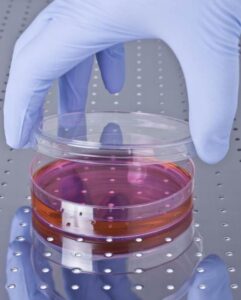
Diseases Targeted by Cellular Regeneration Therapy
Cellular regeneration therapy offers a treatment philosophy that goes beyond the limits of traditional medical approaches, delving into the root causes of diseases. This approach aims not only to suppress symptoms but also to thoroughly repair damaged tissues and maximize the body’s natural healing potential. The advancements recorded in this field in Turkey are broadening treatment options for patients while heralding a significant paradigm shift in the medical world.
Today, the spectrum of diseases targeted by longevity therapy encompasses a wide range.
This treatment method holds promise for a wide range of health problems, from chronic degenerative diseases to acute injuries, age-related functional losses to autoimmune disorders.
The development of customized protocols for each disease group stands out as one of the most important factors that increase treatment success.
Cellular Regeneration in Chronic Degenerative Diseases: Regaining Quality of Life
Chronic degenerative diseases represent one of the areas where traditional treatment methods struggle the most, while cellular regeneration therapy demonstrates a groundbreaking potential in changing the course of these diseases.
In musculoskeletal diseases such as osteoarthritis, rheumatoid arthritis, and fibromyalgia, the reconstruction of damaged cartilage tissue and the improvement of joint functions become possible.
In neurodegenerative diseases, cellular regeneration therapy shows impressive results in slowing down neuron loss in brain tissue and strengthening existing neural networks. Special protocols developed for conditions such as Alzheimer’s disease, Parkinson’s disease, and multiple sclerosis have the potential not only to halt the progression of the disease but also to reverse it.
In this treatment approach, the enhancement of neurotrophic factors and the strengthening of synaptic connections are among the primary goals.
In the field of cardiovascular diseases, longevity treatment is creating a revolution. The regeneration of healthy heart muscle in place of scar tissue formed after a heart attack not only extends the lifespan of patients with heart failure but also dramatically improves their quality of life.
Regeneration of myocardial tissue is providing alternative treatment options even for conditions that previously required heart transplants.
Innovative Approaches in Metabolic Disorders and Autoimmune Diseases
Cellular regeneration therapy in metabolic diseases is creating a paradigm-shifting effect, especially in the treatment of diabetes. Protocols developed for the reproduction of pancreatic beta cells in Type 1 diabetes and for breaking insulin resistance in Type 2 diabetes have the potential to reduce patients’ dependence on insulin.
This approach not only provides blood sugar control but also shows effective results in preventing complications caused by diabetes.
In autoimmune diseases, cellular regeneration therapy aims to stop the autoimmune process at the root of the disease through reprogramming the immune system. Special protocols developed for conditions such as systemic lupus erythematosus, Crohn’s disease, and psoriasis halt the immune system’s attack on damaged tissues while also supporting the repair of these tissues.
In the field of ophthalmological diseases, longevity therapy is also achieving significant successes.
Age-related macular degeneration, diabetic retinopathy, and corneal damage treatment protocols are showing promising results in terms of regaining visual function. Thanks to the regeneration of retinal pigment epithelial cells and photoreceptor cell regeneration, even vision losses previously considered irreversible are becoming treatable.
Anti-Aging Applications and Cellular Regeneration in Aesthetic Medicine
One of the most exciting applications of cellular regeneration therapy is seen in the field of anti-aging treatments.
This approach not only masks the visible effects of aging but also has the potential to slow down the aging process at the cellular level and even reverse it. The aging process is intervened through mechanisms such as increasing telomere length, improving mitochondrial functions, and preventing cellular senescence.
In dermatological applications, cellular regeneration therapy offers a multidimensional approach in the treatment of skin aging, hair loss, and various skin diseases.
Fibroblast activation, increased collagen synthesis, and dermal matrix renewal help restore the skin’s natural youthful appearance. In this process, not only are superficial corrections made, but also the underlying structural issues of the skin are addressed.
In the field of reproductive health, longevity treatment is revolutionizing the approach. Protocols developed for infertility problems, menopausal symptoms, and dysfunctions in the reproductive organs yield successful results in restoring natural reproductive capacity.
Approaches such as ovarian regeneration and endometrial renewal are creating new hopes for conditions that were previously untreatable.
As a result, while the range of diseases targeted by cellular regeneration therapy continues to expand, the development of customized treatment protocols for each indication is shaping the future of this field.
Turkey’s increasing expertise and technological infrastructure in this field continue to offer reliable and effective treatment options for both domestic and international patients.
Cellular Regeneration Treatment in Turkey: Cost Analysis, Process Stages, and Clinic Selection

Cellular Regeneration Treatment in Turkey: Cost Analysis, Process Stages
and Clinic Selection
The rapid developments in cellular regeneration therapy in Turkey are not only facilitating patients’ access to this innovative treatment option but also bringing about a need for detailed information regarding treatment costs and process management. This treatment approach, which utilizes the most advanced technologies of modern medicine, requires careful planning not only in terms of medical success but also from an economic perspective. One of the most critical issues for patients is to be able to anticipate the costs they will encounter from the beginning to the end of the treatment process and to make an appropriate clinic selection.
The cellular regeneration treatment market in Turkey offers attractive price advantages for both domestic and international patients while adhering to the principle of not compromising on quality standards. This balance makes our country a preferred destination in this field, creating significant opportunities for patients.
However, the complex nature of the treatment process and the need for a personalized approach are among the factors that complicate cost calculations and clinical selection.
Cost Components and Financial Planning Strategies in Cellular Regeneration Treatment
The costs of cellular regeneration treatment in Turkey vary depending on many factors such as type of treatment, patient profile, and selected clinic. The main cost components include laboratory tests, stem cell isolation and culture, treatment application, and follow-up processes, each with its own unique pricing dynamics.
In autologous stem cell therapy, the cost of obtaining cells from the patient’s own tissues is more economical compared to allogeneic treatments, while also providing safer results in terms of treatment success.
During the financial planning process, patients also have to consider the costs of pre-treatment evaluations.
Comprehensive blood tests, imaging methods, and specialist consultations in the preliminary assessment phase constitute a significant portion of the total treatment budget, and this investment is critical for treatment success. In Turkey, partner clinics generally adopt a package pricing approach, making it easier for patients to plan their budgets.
In international comparisons, the prices for longevity treatments in Turkey are around 40-60% of the equivalent treatments in Europe and America.
This cost advantage does not only stem from treatment prices; affordable rates for accommodation, transportation, and other ancillary services also reduce the overall treatment cost. However, it is vital not to overlook quality standards when making price-focused choices, as this is crucial for long-term treatment success.
Phased Structure of the Treatment Process and Clinical Protocol Implementations
The cellular regeneration treatment process is carried out in carefully planned phases, each with its own unique requirements and duration dynamics.
The initial stage of the preliminary assessment process can take 3-5 days to determine the patient’s overall health status and evaluate their suitability for treatment. The detailed laboratory analyses, imaging techniques, and specialist examinations conducted during this process form the basis of the personalized treatment protocol.
The stem cell acquisition and processing stage constitutes one of the most critical parts of the treatment process, and this stage is usually completed within 1-2 days. Stem cells obtained from adipose tissue or bone marrow are processed under special laboratory conditions and prepared for treatment.
The procedures carried out in a laboratory environment compliant with GMP standards play a crucial role in terms of cell quality and treatment safety.
The treatment application phase takes varying durations of several hours to one day depending on the type of disease and treatment protocol, ensuring that the patient receives treatment in a comfortable environment during this process. Treatments administered through intravenous, intra-articular, or local injection methods adopt a minimally invasive approach, also shortening the patient’s return to daily life.
The follow-up and monitoring phase continues for 6-12 months, allowing for the evaluation of treatment effectiveness with objective parameters.
Evaluation Criteria and Decision-Making Process for Quality Clinic Selection
With the increasing number of clinics offering cellular regeneration therapy in Turkey, choosing the right clinic has become a critical decision. The primary factor to consider in selecting a quality clinic is the accreditations and certifications held by the clinic.
Clinics with JCI, ISO 15189, and GMP certifications demonstrate their capacity to provide services at international standards while also ensuring patient safety.
The experience and academic background of the expert staff stand out as another important factor to consider when choosing a clinic. Physicians specialized in regenerative medicine, their publications and participation in conferences, and treatment success rates can be used to evaluate the professional capacity of the clinic.
Additionally, the technological infrastructure, laboratory facilities, and post-treatment follow-up systems of the clinic are among the factors to be considered during the selection process.
Patient experiences and references provide valuable information sources for making an objective assessment in the selection of a clinic. Learning about the treatment processes, satisfaction levels, and outcomes achieved by previous patients serves as supportive factors in the decision-making process. Transparent pricing policy, detailed information, and the approach to patient rights are also considered important indicators of clinic quality.
As a result, the developments in cellular regeneration therapy in Turkey increase patients’ chances of benefiting from this advanced technology treatment, while requiring them to adopt a conscious approach regarding the correct clinic selection and cost planning.
The research and evaluation process to receive quality and reliable treatment forms the key to long-term treatment success, while Turkey’s increasing expertise in this field continues to yield favorable results for patients.
Comparison of Regenerative Medicine and Cellular Therapy: Which One is the Right Choice for You?
Although the concepts of regenerative medicine and cellular therapy are often used interchangeably in modern healthcare, they actually represent two important treatment approaches with different scopes. The rapid developments in this field in Turkey enable patients to make the right treatment choice.
this necessitates a detailed comparison of these approaches
Both methods aim to support the body’s natural healing capacity, but there are significant differences in terms of application methods, mechanisms of action, and treatment outcomes.
The paradigm shift occurring in the modern medical world continues to move away from traditional symptom-focused treatment approaches towards methods that delve into the root of the disease and activate the body’s natural repair systems.
At the center of this transformation, regenerative medicine and longevity treatment options highlight the critical importance of choosing the right methods to increase treatment success while offering personalized solutions for patients.
Regenerative Medicine: A Comprehensive Repair and Reconstruction Approach
Regenerative medicine adopts a broad treatment philosophy aimed at completely renewing damaged tissues and restoring their functional capacities.
This approach creates a multidisciplinary field that encompasses not only stem cell therapy but also tissue engineering, gene therapy, growth factors, and biomaterial applications. Regenerative medicine centers in Turkey are achieving successful results in the treatment of complex diseases by utilizing this broad-spectrum approach.
The most characteristic feature of regenerative medicine is that it produces fundamental solutions by targeting the underlying causes of the disease.
In this treatment approach, while the complete recovery of the functional capacities of damaged organs is targeted, the restoration of the body’s natural homeostasis mechanisms is also ensured. Especially in cases such as age-related degenerative changes, chronic diseases, and traumatic injuries, regenerative medicine practices enable success levels that traditional treatment methods cannot achieve.
Regenerative medicine practices in Turkey play a pioneering role in developing personalized treatment protocols.
Each patient’s genetic profile, lifestyle, medical history, and current health status are analyzed in detail to determine the most suitable combination of regenerative treatments. This approach maximizes treatment efficacy while keeping the risk of side effects to a minimum.
Cellular Therapy: Targeted and Specific Intervention Strategy
Cellular therapy adopts a more specific and targeted approach, primarily focusing on the use of stem cells, platelet-rich plasma (PRP), and other cellular components.
This method offers a more limited but effective treatment spectrum while being applied for the purpose of repairing damage in specific tissue types and providing functional improvements. Cellular therapy centers in Turkey operate on the principle of achieving maximum treatment effect with minimal invasive methods.
The main advantage of cellular therapy is that it can be applied in a short time and provides rapid results. Especially in cases of acute injuries, joint problems, and localized tissue damage, cellular therapy approaches enable patients to return to their daily lives quickly.
This treatment method provides superior advantages in terms of biocompatibility as it is performed using cells obtained from the patient’s own body.
Longevity applications in Turkey are carried out using standard protocols and evidence-based approaches. While the treatment process is conducted with protocols customized according to the patient’s condition, the effectiveness of the treatment is continuously monitored through a regular follow-up and evaluation system.
This approach ensures optimal outcomes in terms of both patient safety and treatment success.
Decision-Making Criteria and Patient Profile Analysis for the Right Treatment Choice
To make the right choice between regenerative medicine and cellular therapy, the patient’s individual condition, the characteristics of the disease, and treatment goals should be analyzed in detail. This decision-making process should be planned to consider not only medical factors but also the patient’s quality of life expectations, timeline, and economic situation.
Specialist physicians in Turkey guide their patients in determining the most suitable treatment approach while conducting this comprehensive evaluation process.
The fundamental criteria to be evaluated for the correct treatment selection can be listed as follows:
- Severity and Extent of the Disease: Cellular therapy is preferred for localized problems, while regenerative medicine approaches are favored for systemic conditions.
- Expected Duration of Treatment: Cellular therapy is suitable for those seeking quick results, while regenerative medicine is appropriate for those looking for long-term solutions.
- Patient’s Age and Overall Health Status: Both methods are effective in younger patients, while a personalized approach is needed for older patients.
- Previous Treatment Experiences:
- Regenerative Medicine: Regenerative medicine offers more comprehensive solutions for conditions that do not respond to traditional treatments
- Economic Factors: Cellular therapy is often more economical, while regenerative medicine requires higher costs
Treatment centers in Turkey use standard protocols and assessment tools for the objective evaluation of these criteria.
The patient’s medical history, current symptoms, functional capacity, and treatment expectations are analyzed in detail to determine the most appropriate treatment approach. During this process, a multidisciplinary team approach is adopted, and the patient’s active participation in the decision-making process is ensured.
As a result, the choice between regenerative medicine and cellular therapy becomes a strategic decision that must be made in line with the patient’s individual needs and treatment goals.
Turkey’s experience and technological infrastructure in this field continue to offer patients world-class treatment options for both approaches, while obtaining expert opinions is crucial for making the right choice.


